

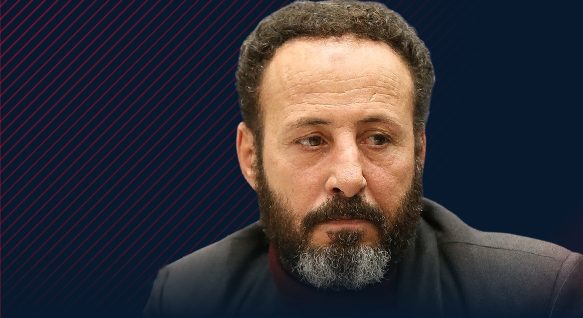
MP Abdel Moneim Al-Arfi stated the House of Representatives reached a conclusion. This was during its consultative session on the goods tax law. He confirmed that the imposed law was not approved by the House of Representatives. Even if approved, it must comply with established legal and constitutional frameworks. This applies to all laws. Al-Arfi added that the House identified confusion. This confusion is in the Central Bank’s monetary and financial policies. This is especially true given Libya’s current circumstances. It also applies to the entire Middle East.
Al-Arfi spoke to Libya Al-Hadath TV. He indicated oil prices are expected to reach $100 per barrel. He also noted a public debt of 303 billion. Public spending must adhere to a controlled budget. The House addressed these issues during its session.
Al-Arfi continued, stating currency exchange offices fall under commercial banks’ jurisdiction. Licenses granted to them have spread rapidly. He questioned the commercial banks’ role in their dealings with the Central Bank. These problems were discussed. The internal regulations of the House of Representatives also need amendment. He added the tax law “was only issued by the Economy Committee and other committees.” He described these committees as non-functional and “paralyzed” within the House. These facts led the House to approve reform packages. These reforms must be implemented during the current period. The goal is to save the Libyan Dinar. They also aim to reduce the foreign exchange rate.
Al-Arfi added the House of Representatives intervenes to correct the course. This happens if the Central Bank “deviates from its path.” It also intervenes if the Central Bank adopts “futile” economic policies. He attributed this role to weak oversight. He addressed “the issue of accreditations.” These are granted but “nothing materializes.” He indicated that what arrives are “luxuries.” These luxuries are neither beneficial nor compatible with the Libyan people. He confirmed that the House’s statement outlined reforms. These reforms will be pursued.
Al-Arfi continued, stating the previous tax was imposed for six months. The Speaker of the House then announced it would last until year-end. However, the Central Bank did not implement it until year-end. Instead, it extended the tax for another year. He considered this a failure by the Central Bank. He questioned how the funds collected from the tax were spent. He stated the whereabouts of these funds “remain unknown” until now. He added the Central Bank’s lack of transparency creates problems. This puts the House in a “dark path and tunnel.” It prevents the House from approving its budget. It also hinders compelling governments to rationalize spending.
He reported the House began forming committees. These committees will monitor the National Oil Corporation. They will also monitor the Central Bank’s monetary policies. However, no formal session has been held yet. Therefore, reports and proposed solutions from these committees have not been issued. He noted the goal is to avoid imposing taxes on citizens. The House does not want public opinion to hold it responsible. He affirmed the House is “innocent of imposing the tax.” It does not want to burden citizens further.
He clarified the House aims for citizens to receive some of their rights. He added that the Central Bank’s claim of “parallel spending” is problematic. It does not specify who committed the violation. This places responsibility on the Central Bank itself. Al-Arfi also linked these events to Abdul Hamid Dbeibeh. Dbeibeh is the Undersecretary of the Ministry of Economy in the “lapsed” Government of National Unity. He spoke about inflation and the rising dollar exchange rate.
In conclusion, Al-Arfi stressed irresponsible policies. These policies only lead to public anger. They also deplete existing resources. He warned against possibly resorting to reserves. He also cautioned against considering “extinguishing public debt.”