

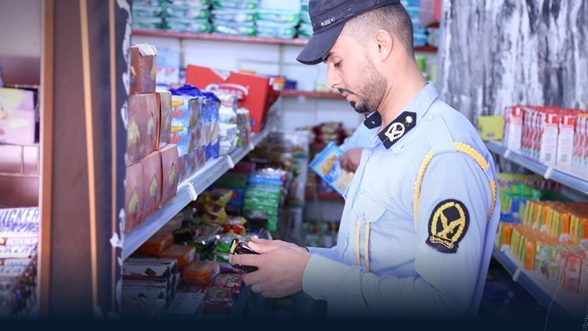
Libya – Mohamed Al-Naam, spokesman for the Municipal Guard, announced that 1,272 cases were registered in the first half of this year. He said the cases varied and included health violations, building code violations, complaints, and reports exchanged between citizens.
Speaking to Libya Al-Ahrar TV, Al-Naam explained that the number and nature of cases differ from last year based on location, timing, and type of violation. He expects the number to change in the second half of the year, especially as more cases are referred to the public prosecutor, including cases related to pesticides.
Al-Naam said that some of the cases the Municipal Guard handles are misdemeanors, with light jail sentences applied. In some instances, offenders are later released. The nature of violations ranges from minor offenses to more routine cases. He added that employees lacking a health certificate may be subject to legal action.
On construction violations, Al-Naam clarified that these include renovations without permits, demolition or removal work without authorization, and changing the color of a building or its doors without a permit. Installing external lighting on a home without proper authorization is also considered a violation.
He emphasized that construction must have both a license and technical specifications. Private buildings are subject to detailed technical requirements under urban planning laws, including rules for external maintenance and color changes. The building owner receives specific guidelines based on property type. Altering the color or performing external maintenance requires official permits. Changing a building’s use from residential to commercial needs special permission from the urban planning office and municipal licenses.
Al-Naam said the rate of violations is around 98%. He noted that most Municipal Guard officers face a shortage of resources. He also pointed out that many regulations are outdated and have not kept pace with current realities. The Municipal Guard operates across Libya, with the Center for Studies and Planning compiling annual data on violations.
Regarding pricing violations, Al-Naam stated that there was a set price system early in the year, but it has since been withdrawn. Price violations now apply only to subsidized goods like gas canisters and diesel fuel. He confirmed there is currently no official pricing system in place for food or other essential goods, so no violations are being recorded in that category at this time.