

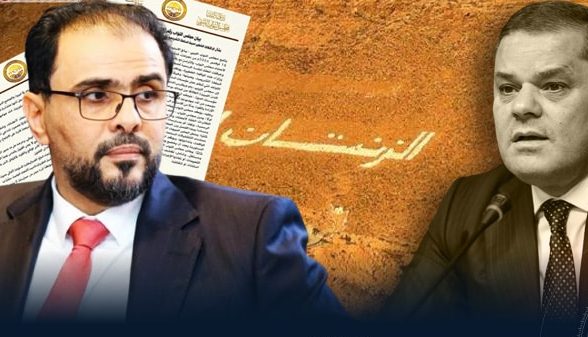
The Libyan government warned it may take urgent administrative and financial measures to reorganize management of areas under its control. This could include granting regions greater autonomy over administration, finances, and management of public resources and facilities if what it described as actions obstructing state institutions’ constitutional duties continue.
The government’s warning came in Statement No. 17 for 2026, issued in Benghazi on Monday, November 16. The statement referred to reported threats and attempts to prevent the legislative authority from carrying out its work after the House of Representatives failed to hold a formal session in the city of Zintan.
According to the government, attempts to block the House of Representatives from convening in Zintan, as well as related threats and movements by certain groups, prevented lawmakers from performing their constitutional duties. The government described these developments as dangerous and unacceptable. It said such acts go beyond ordinary political disputes.
The statement stressed that interfering with the freedom of constitutional institutions or subjecting them to force undermines the foundations of the state. It warned that such actions threaten national unity and jeopardize the country’s stability and the interests of its people.
The government expressed gratitude to the people, elders, and leaders of Zintan for their preparations and efforts to host the House session. It reaffirmed its support for the unity of Libya and its institutions, and said it remains committed to efforts to end national division. However, the government insisted this responsibility cannot remain one-sided in light of actions that disrupt sovereign institutions and threaten their members.
The statement warned that if such obstruction continues, the government may be forced to swiftly reorganize administration in the regions under its authority. This could include implementing administrative and financial independence to ensure continued public services and the protection of citizens’ rights.
The government held all parties responsible for actions disrupting state institutions accountable for any resulting consequences. It emphasized that its patience in seeking national solutions should not be mistaken for an inability to take decisive measures to safeguard the interests of the Libyan people.