

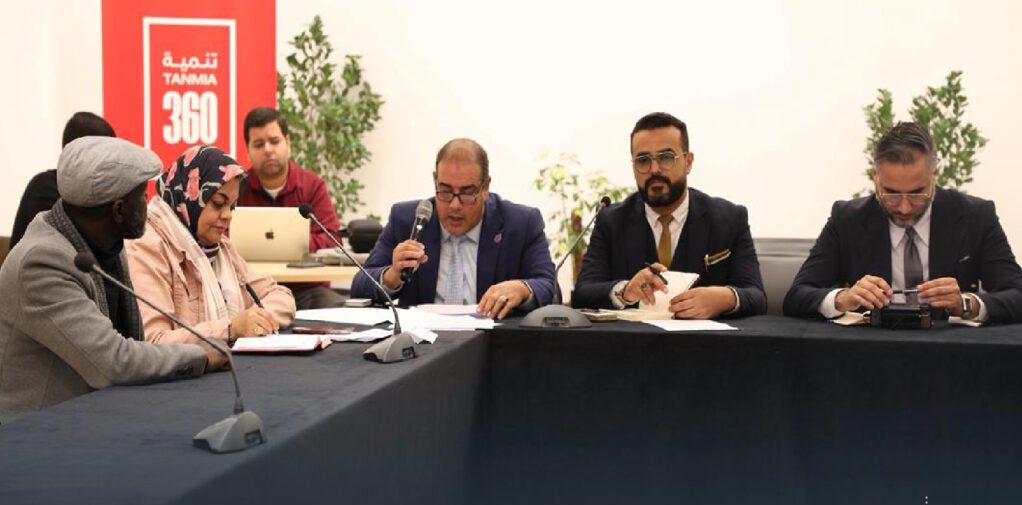
Benghazi – A session was held today, Sunday. It focused on discussing and reviewing the draft National Strategy for International Cooperation. This aims to enhance community and institutional participation. It involves drafting foreign cooperation policies. It also ensures international support aligns with national development priorities. The strategy preserves Libyan sovereignty. It optimizes the use of available resources.
Youssef Al-Aqouri affirmed this. He is the Head of the Foreign Affairs and International Cooperation Committee in the House of Representatives. The session reflects the House of Representatives’ commitment. It involves experts, specialists, and stakeholders. They discuss national strategies with an international dimension. This contributes to balanced policies. These policies are based on transparency and partnership. It strengthens democratic practices. This occurs in preparing regulatory frameworks for international cooperation.
Al-Aqouri clarified the discussion’s purpose. Opening the debate on the draft strategy aims for a comprehensive vision. This vision considers Libya’s challenges in this area. It ensures cooperation serves the state’s supreme interests. It supports stability and sustainable development. This is done without conflict with national sovereignty.
Wael Al-Ashibi commented on his part. He is tasked by the House of Representatives to follow up on the strategy. The National Planning Council prepared this strategy. The session aims to discuss and review the draft in detail. It highlights the main challenges in international cooperation. It also enhances national institutional coordination. This coordination is among relevant entities.
Al-Ashibi clarified the session was held under direct mandate. The mandate came from the Foreign Affairs and International Cooperation Committee. A number of experts participated. These specialists are in planning and international cooperation. He noted the meeting focused on implementation mechanisms. It also ensured alignment with national development plans.
Al-Ashibi expressed hope for practical, implementable recommendations. These recommendations would emerge from the session. They would support the House of Representatives. This support is for adopting the National Strategy for International Cooperation. This enhances Libya’s presence. Libya would be an active and responsible partner regionally and internationally. It also maximizes benefits from international cooperation and support programs. This applies across various sectors.