

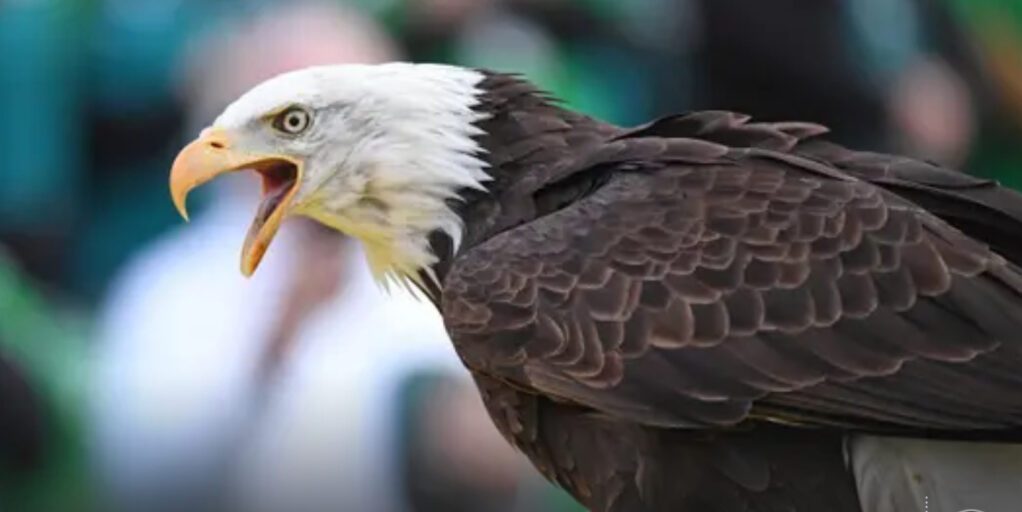
Benghazi – The world marks International Vulture Awareness Day on Saturday, highlighting the vital role these birds play in maintaining ecological balance. In Libya, vulture numbers have sharply declined in recent years due to threats including poisoning, hunting, and loss of nesting habitats.
Libya is home to four recorded vulture species, including the Egyptian vulture, which has become increasingly rare after once inhabiting regions such as the Green Mountain and Nafusa Mountain. The bird is now among the country’s rarest species.
Salih Bourziga, director of the Organization for the Conservation of Wildlife and Marine Life, told the Libyan News Agency that vulture sightings in Libya are now extremely scarce. He warned that ongoing threats could further undermine their critical environmental role.
Bourziga explained that Libya serves as an important home and migratory route for birds of prey, including the Egyptian vulture. However, both their numbers and nesting sites have noticeably diminished. The last confirmed Egyptian vulture nesting in Wadi Al-Naqa Reserve was recorded in 2010.
He added that the Egyptian vulture has shifted from a resident, nesting species to a migratory visitor, now rarely observed in Libya. This indicates a significant decline in both its population and breeding grounds.
Bourziga highlighted that indirect poisoning is among the most serious threats. Vultures feed on carcasses of animals poisoned as part of predator control efforts targeting wolves and stray dogs. They are also exposed to pesticides and other chemicals.
He emphasized that vultures perform a vital ecological function by consuming dead animals and limiting the spread of disease. Hunting and the loss of nesting sites add further pressure on these birds’ survival.
Bourziga called for changing public perceptions about vultures through media and awareness campaigns. These should focus on their role in cleaning the environment and curbing the spread of bacteria and disease, ultimately protecting people and livestock.
He urged for expanded awareness programs, especially among herders and hunters in mountainous areas, and warned against using poisoned bait for predators, as it causes the deaths of vultures and other wildlife.
Bourziga stressed the importance of integrating wildlife and bird protection into school curricula and activities, in partnership with environmental organizations. He also called for updating environmental laws, enforcing stricter penalties for illegal hunting and poisoning, boosting monitoring efforts, and protecting nesting sites. He stressed that conserving vultures requires coordination among authorities, environmental groups, and local communities.
The decline in vulture populations signals not just the loss of a bird species, but the breakdown of a key ecological function. Protecting these birds is an environmental responsibility that requires practical steps to address causes of mortality and preserve remaining populations in Libya.
Globally, many vulture species exist, including the griffon, golden, bald, Egyptian, bearded, black, Indian, Bengal, white-backed, red-headed, king vulture, steppe vulture, Andean vulture, and others that inhabit regions across Africa, Asia, Europe, and the Americas. Vultures remain essential for the ecological balance, making their conservation a shared duty to protect biodiversity from decline and extinction.