

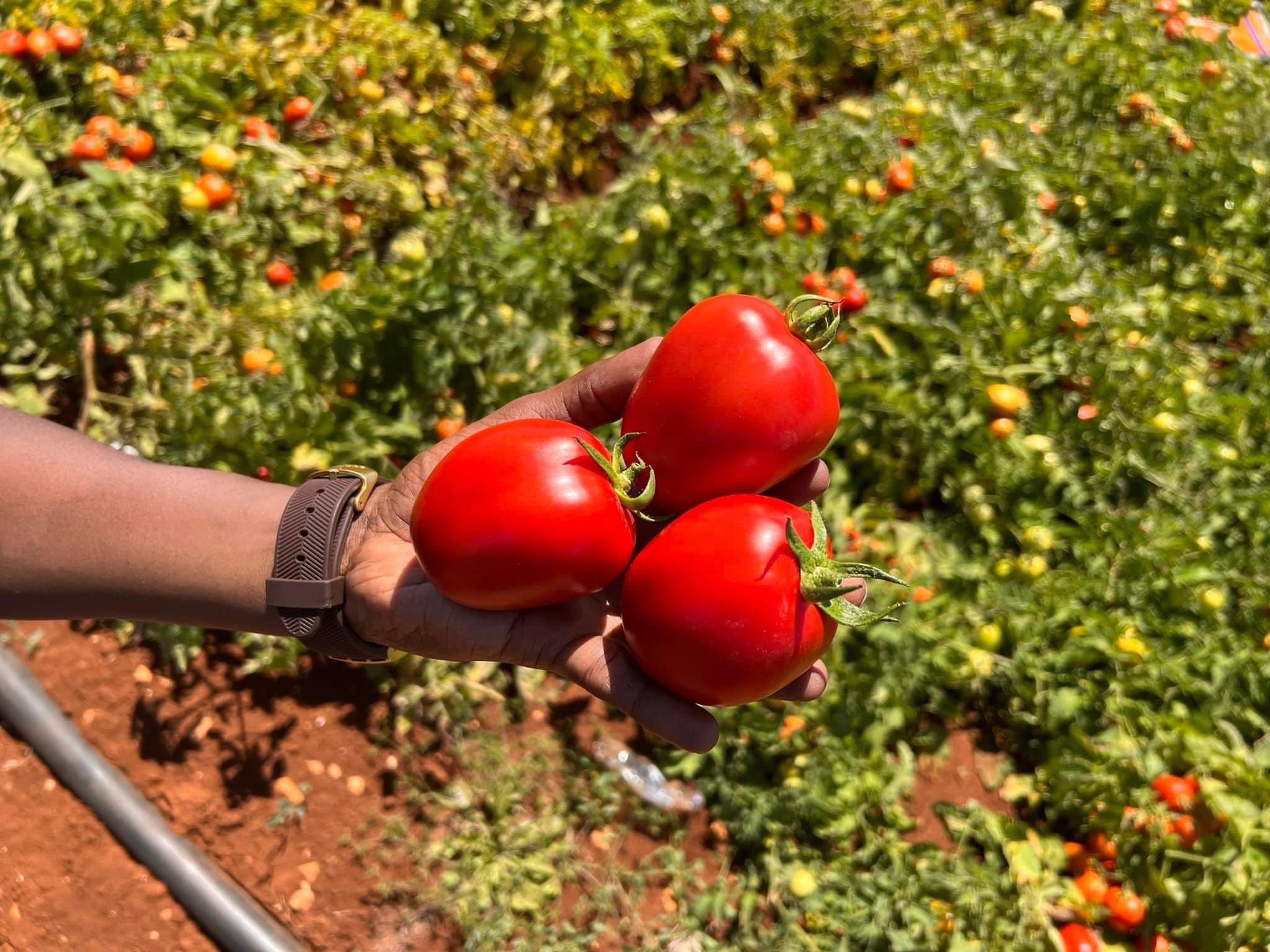
Benghazi – Libyan vegetable markets, especially for tomatoes, have recently experienced severe price fluctuations. This has alarmed families and consumers. They describe tomatoes as “crazy” due to their constant shifts between sharp drops and sudden increases.
Historically, price volatility is linked to the seasonal nature of production. Available quantities change with agricultural seasons. However, the current situation in Libya shows these disruptions are more than just seasonal. They reflect complex factors. These factors include natural conditions, logistics, currency exchange rates, and import and distribution policies.
Hilmi Al-Qamati, Head of the Economics Department at Benghazi University, explained the current market situation. He stated the market is experiencing a “supply shock”. This is due to the end of the winter harvest. The entry of spring and summer crops has been delayed.
Al-Qamati added that tomatoes are “sensitive” to heat. Recent climate changes delayed fruit ripening. This led to a shortage in available quantities. He also pointed to the rising dollar exchange rate. This increased the cost of imported seeds and fertilizers. Fuel crises further raised transport costs. All these factors directly impacted market prices.
Al-Qamati further noted that previous losses led many farmers to reduce cultivated areas. This intensified the supply crisis during Ramadan. Demand significantly increases during this month. He confirmed that local production covers only about 50% of market needs. This makes prices dependent on import conditions. Sometimes, prices are even affected by smuggling.
In a related context, Colonel Salah Al-Sahili, Director of Public Relations and Media for the Municipal Guard, affirmed the agency’s efforts. The agency is working to curb violations and protect consumers. The head of the agency conducted an inspection tour. This was at the wholesale vegetable market in Sidi Khalifa. The purpose was to monitor prices. They also ensured compliance with regulations.
Al-Sahili revealed that the tour showed rising prices for vegetables from Jalu market. This prompted urgent action. The goal is to monitor the situation. They want to prevent any exploitation that harms citizens.
He noted that the objective is not to pursue compliant traders. Instead, it is to protect citizens’ food security. He confirmed that setting official prices is the Ministry of Economy’s prerogative. The Municipal Guard’s role is limited to strict oversight. They are also responsible for apprehending violators.
He clarified that measures include closure and confiscation. These serve as a deterrent. They target anyone trying to profit at the consumer’s expense. The agency is committed to continuous monitoring. This ensures tomatoes are available at fair prices. It also upholds the citizen’s right to a decent life.