

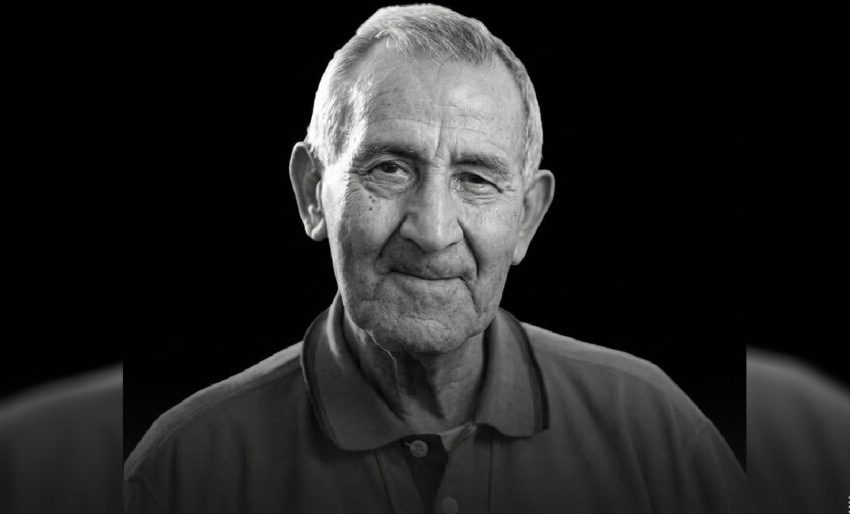
Benghazi – Former Libyan national football team goalkeeper Ali Hussein Abu Oud, one of the sport’s most notable figures in Libya during the 1960s and early 1970s, died on Thursday. He was widely respected for his exceptional sports and humanitarian contributions, both on and off the field.
Abu Oud enjoyed a distinguished career with Al-Ahli Benghazi and the Libyan national team. His legacy includes a historic return to the pitch after nine years of retirement, playing for his club beyond the age of 40. This remarkable comeback is considered a rare feat in Libyan football history.
Born in Benghazi in 1943, Abu Oud began playing football in 1956 at Benghazi Primary School (formerly Al-Amir School), under the guidance of physical education teacher Khaled Al-Ghanai. He later joined the junior ranks at Al-Ahli Benghazi, where he was trained and mentored by the late goalkeeper and coach Haj Abdul Aal Al-Aqeeli, who was instrumental in his development as a goalkeeper.
Initially, Abu Oud played as a forward before his coaches recognized his unique physical and technical abilities suited for goalkeeping. This transition marked the start of a career that would make him a standout figure in Libyan football.
Internationally, Abu Oud was selected for the Libyan national team in 1960 and remained the first-choice goalkeeper until his retirement from international play in 1974. He earned over 50 caps with the national team. Among his notable achievements was his participation in the 1964 Arab Cup in Kuwait, where he became the first Libyan goalkeeper to feature in the tournament, helping Libya finish as runners-up. He also competed in Olympic qualifiers and the Mediterranean Games in Tunisia in 1967, solidifying his reputation among the top goalkeepers of his generation.
One of his most memorable matches came in 1967, when Libya played Egypt in Cairo. Libya led 2-0 thanks to two goals from star player Ahmed Bin Swaid, but the game ended 3-2 in Egypt’s favor after Abu Oud suffered a serious injury before halftime, which affected the game’s outcome.
With Al-Ahli Benghazi, Abu Oud won numerous local championships and represented the club in continental fixtures, playing in the African Club Championship against Tunisia’s Esperance in 1971 and Egypt’s Ismaily in 1973. He retired after the 1973-1974 season.
Abu Oud made an extraordinary comeback for Al-Ahli Benghazi in the 1982-1983 season, answering the club’s call when they faced a goalkeeping crisis. Although he was over forty and had been retired for nine years, he returned to help his team, leading them to a 2-0 victory in his first match against Al-Shabab. He continued for one more match against Al-Ittihad before ending his brief comeback. Fans celebrated him for his loyalty and sacrifice, carrying him off the field in recognition.
Beyond football, Ali Abu Oud was known in Benghazi for his charitable work and willingness to help others. He leaves behind a legacy of sportsmanship, dedication, and humanity. His passing marks the loss of one of Libya’s great goalkeepers and a respected figure in both sports and the community.