

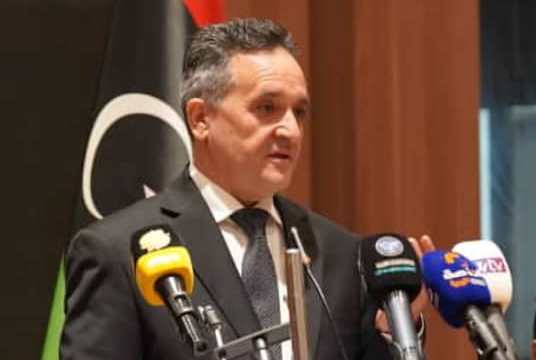
Benghazi – Salama Al-Ghweil, Chairman of the Competition and Anti-Monopoly Council, stated that the council continues its efforts. It monitors Libyan markets. It tracks any monopolistic practices. These practices might affect prices. They could also limit consumer choices. This work aims to foster a fair economic environment. It encourages equal opportunities for all economic actors.
Al-Ghweil explained to Al-Anbaa Al-Libiya newspaper that the current phase requires close market monitoring. It also requires monitoring vital goods. Legal violations must be pursued. He emphasized the council’s role. It includes continuous coordination with regulatory bodies. The council also coordinates with relevant institutions. This ensures effective legal action against violators. He affirmed that governmental and institutional support is crucial. It enables the council to perform its duties. It protects citizens’ purchasing power.
He added that operations adhere to clear legal frameworks. Promoting fair competition is a fundamental pillar for supporting the national economy. This is achieved by combating monopolies. It also encourages a transparent market environment. The council promotes a culture of fair competition among traders and consumers. This raises public awareness of economic laws.
Al-Ghweil concluded his statement by emphasizing a shared national responsibility. This includes promoting fair competition and consumer protection. The council’s success relies on full cooperation. This cooperation involves government institutions, civil society, and the private sector. The goal is to build a strong and stable Libyan economy.