

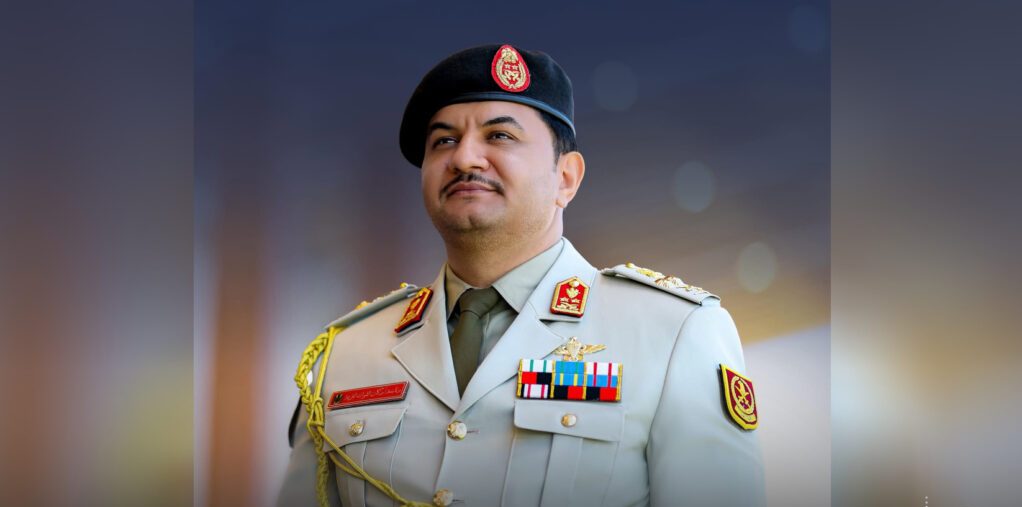
Benghazi – Libyan Arab Armed Forces Deputy Commander General Saddam Khalifa Haftar reaffirmed the General Command’s support for the House of Representatives and its new leadership. The body is now led by Salehin Abdelnabi as president, with Tarek Al-Ashtar as first deputy and Musbah Douma as second deputy. Haftar wished them success in their duties.
Haftar, in a statement on his official account, said Libya’s transition to a stable and unified state begins with building effective national institutions. He emphasized that the strength and regular function of these institutions are fundamental to protecting the nation’s unity and sovereignty, and to establishing strong foundations for a resilient state.
He added that the General Command welcomes the House of Representatives’ decision to improve its working mechanisms. He praised their adoption of a parliamentary cycles system, which includes electing a new leadership office at the start of each session, as a step that strengthens institutional rotation.
Haftar explained that this move will increase the effectiveness of the legislative authority and renew its capacity to meet national responsibilities. It will also support stability and advance the country’s development path.
The deputy commander renewed the General Command’s support for the House of Representatives and its new leaders, expressing hope that President Salehin Abdelnabi and deputies Tarek Al-Ashtar and Musbah Douma succeed in their duties. He called on them to build on the trust of the majority of parliament members, to strengthen the body’s national role, and help unify state institutions and protect Libya’s unity, sovereignty, and the interests of its people.
Haftar also expressed deep appreciation to former House Speaker Aguila Saleh and his deputy Fawzi Al-Nuwairi for their years of service to the country. He commended their significant contributions to supporting the armed forces in its fight against terrorism, as well as their roles in the military’s development, unification, and improved ability to protect the country and ensure its stability and security.
Haftar stressed that the next phase requires everyone to prioritize the state and its institutions, overcome divisions, and anchor the principle of institutional rotation. He said this will help complete the unification of Libya’s political, executive, and security institutions and increase their ability to fulfill national duties.
He urged the Libyan people to maintain unity and rally behind every sincere national effort that advances the path towards stability, reconstruction, and development.
Haftar concluded that the goal is to move towards a strong state with effective, integrated national institutions. He placed particular emphasis on the need for a unified national military ready to protect Libya’s sovereignty, security, and stability, in a state where national interests and the dignity of citizens are safeguarded.