

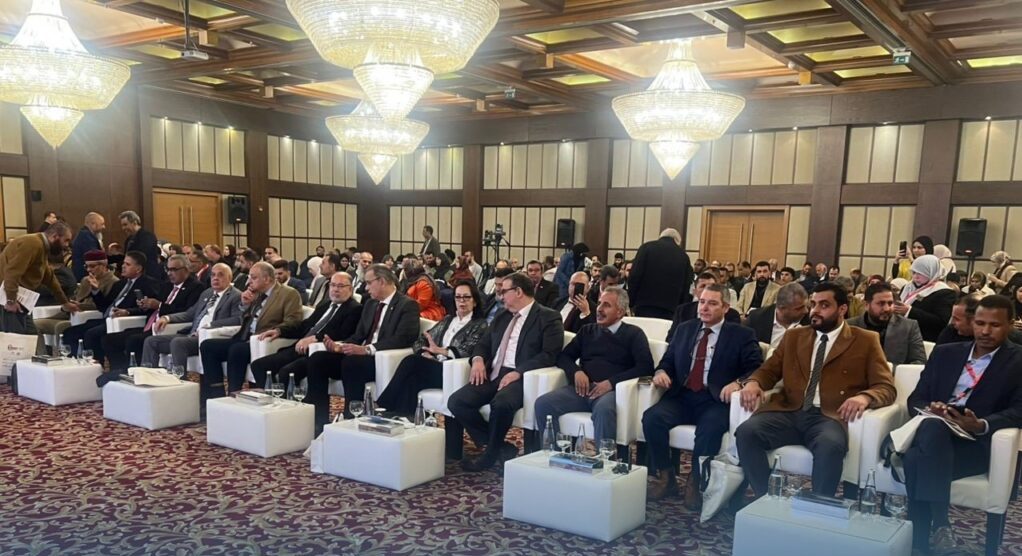
Tripoli – The annual conference of the Libyan Society of Nephrology and Kidney Transplantation held its second day on Saturday. The day featured four workshops.
The first workshop covered taking kidney samples for diagnosis. It was presented by Dr. Rim Ghoucha, a visiting physician from Tunisia. The session focused on proper techniques and patient handling during the procedure.
The second workshop reviewed the process of preparing patients for hemodialysis. It also covered the insertion of catheters into the neck. The session discussed key challenges facing medical teams.
A third workshop focused on peritoneal dialysis. This is an alternative to hemodialysis for patients with kidney failure. The workshop explained its steps and when it is used.
The fourth workshop was dedicated to dialysis machines used in intensive care. These devices are essential for patients with blood pressure or respiratory problems. They are sometimes used with a ventilator. The machines continuously remove toxins and salts from the body.
A reporter noted the dedication of both Libyan and visiting doctors. They were keen to enrich the discussions and transfer medical expertise to a new generation of Libyan doctors.
Dr. Hisham El-Sayed is the President-elect of the Egyptian Society of Nephrology and Transplantation. He called the conference rich with workshops and valuable scientific material. He praised the participation of experts from Libya, Arab nations, and other countries. Dr. El-Sayed stated that the Egyptian and Libyan societies are forming a partnership. This collaboration aims to serve patients and young doctors in both countries. He highlighted the practical workshops as essential for developing young doctors’ skills in modern nephrology.
Dr. Rana Al-Bustani, a Jordanian expert in clinical research, also participated. She is on a committee for a drug that increases hemoglobin in kidney patients. Her goal was to highlight scientific developments in the field.
Dr. Sahar Al-Kharraz is a consultant and Vice President of the society’s Benghazi branch. Her workshop focused on preparing suitable donors for kidney transplants. This is crucial when a patient’s family has a history of kidney failure. She said the conference is vital for sharing knowledge on global advances in nephrology.
Dr. Osama Ibrahim, an Egyptian consultant, expressed his pleasure in attending. He said the event attracted a wide range of specialists, reflecting its importance. He led a workshop on peritoneal dialysis. He noted that its use is limited globally but is available in Libya and needs more support. His lecture urged health leaders to support this method. Dr. Ibrahim confirmed peritoneal dialysis is less costly and more beneficial for patients than hemodialysis.
The expert explained that chronic kidney failure is rising globally. He stated the increase is significantly higher in Arab countries. This is due to lifestyle changes causing more diabetes and high blood pressure. The uncontrolled use of painkillers is also a major factor. Dr. Ibrahim acknowledged Libya’s history of strong health services but noted current circumstances have impacted them. He called on officials to improve care for kidney patients.
Dr. Abdul Hafidh Al-Shaibani is the President of the Libyan Society of Nephrology. He said the conference’s primary goal is to train Libyan doctors. He confirmed attendance was high and the objectives were met. The focus on hands-on training directly improves doctors’ performance in hospitals. He stressed the importance of continuous training for all medical staff.
According to organizers, the conference aims to discuss the latest scientific developments. It also seeks to promote the exchange of expertise and improve kidney care services in Libya.
In August 2024, the society organized a workshop calling on authorities to train specialists in catheter insertion. It also demanded a guaranteed supply of dialysis materials for all patients.