

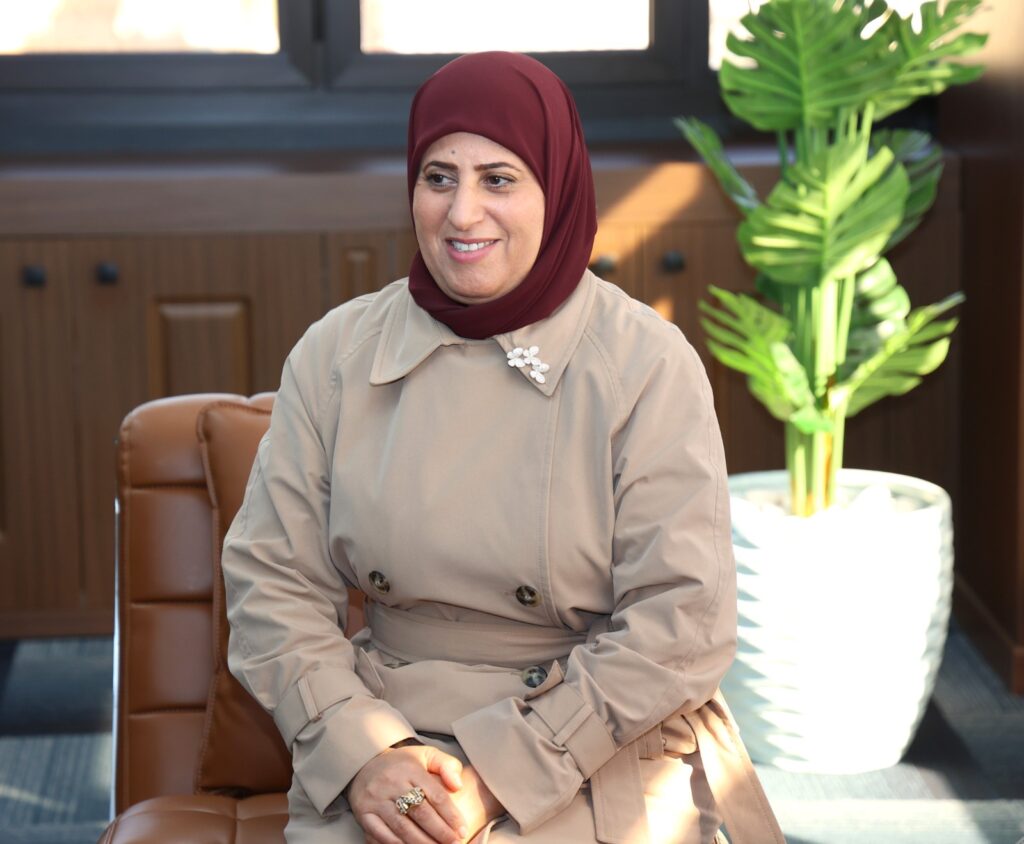
Benghazi – Dr. Sultana Al-Mismari, a member of the Libyan House of Representatives, called for academic opinions to be handled within their correct scientific framework. She affirmed that the controversy arose after her interview on Al-Hadath TV. Her discussion was about women’s role in enhancing social capital. She said the controversy resulted from her statement being taken out of context. It was circulated in truncated clips. This happened without full follow-up or careful reading of its content.
In a press statement, Al-Mismari clarified her remarks. She stated they came from her academic position. She used clear intellectual tools. Her talk addressed a realistic social issue. This issue affects family and community stability. She emphasized that her proposal was a responsible scientific reading. It aimed at a social reality affecting a wide segment of families.
She explained that the controversy was linked to confusing her roles. She is both a member of the House of Representatives and an academic researcher. Al-Mismari believes this confusion distorted the idea. It also weakened the scientific discussion, whether intentional or not.
Al-Mismari questioned the intensity surrounding the topic. The Libyan society faces more pressing challenges and issues. These issues do not receive the same level of attention. This lack of engagement is from some platforms and writers, she noted.
She added, ‘I do not present opinions outside my specialization.’ ‘I do not address issues based on improvisation.’ ‘Instead, I adhere to the methodology of knowledge and scientific research tools.’ She affirmed that differences in opinion are a legitimate right. Constructive dialogue relies on fair understanding and interpretation. It does not depend on fragmentation or assumptions about intentions.
The House of Representatives member concluded her statement. She emphasized that responsible public debate requires reason and argument. It also needs respect for specialization. There must be a clear separation between academic and political roles. This contributes to establishing a robust culture of dialogue in the public sphere.