

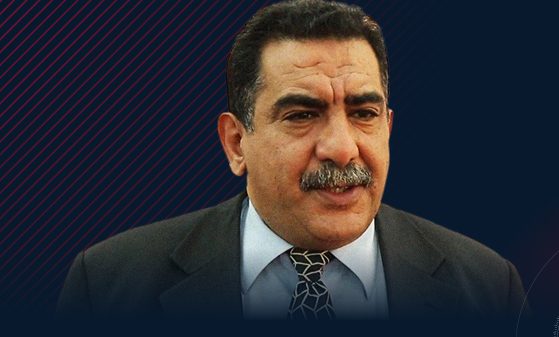
Libya – Parliament member Essam Al-Jehani commented on the Central Bank’s move. The bank imposed a tax on some goods without parliamentary approval. He believes this reflects complexity and danger in the current scene. It also leads the country to further deterioration. This occurs amidst the absence of the rule of law.
Al-Jehani made a statement to “Libya Al-Hadath” channel. Al-Marsad newspaper followed his remarks. He stated the Parliament Speaker’s role. It involves managing and organizing the council. This includes attendance and absence. It also covers representation in certain forums. The Speaker cannot issue laws or decisions individually.
He added that he holds the Parliament Speaker fully responsible. He explained that members of the Economic and Financial Committee informed him. This committee formed about a month and a half ago. It was formed after the tax issue was raised. They told him that Advisor Aguila Saleh approved the decision. Al-Jehani stated the Economic Committee itself disavowed its chairman. This happened after the chairman issued a letter about this file, according to him.
Al-Jehani considered Advisor Aguila Saleh directly responsible. He urged citizens not to blame the entire Parliament. He added that 107 MPs reject this measure. He described it as illegal, unconstitutional, and unlegislative.
He also pointed out that the Central Bank Governor bears responsibility. He stated the matter concerns a letter sent to the Central Bank. This letter led to the tax’s approval and its consequences.
Al-Jehani emphasized the need for an emergency parliamentary session. The session should discuss this issue. He noted the dollar exceeding ten dinars exacerbates the crisis. This directly affects commodity prices. It also impacts ordinary citizens’ ability to afford them.
He added that what is happening is a “joint crime.” This involves the Parliament’s presidency, the Central Bank, and its board members. He stressed that no one should evade responsibility for this matter.
Al-Jehani observed a very large corruption gap. He said this gap is being addressed by increasing burdens on citizens. Thus, citizens pay the price for corruption and thefts, according to him.
He clarified that imposing these measures will negatively impact the country’s economic activity. It will significantly affect citizens and their purchasing power. Inflation levels will also be impacted. This reflects on the state’s overall economic situation.
He also expressed surprise at reports of discussions with Americans. These discussions concerned the economic situation. He questioned why they were interfering in determining the country’s economic state. He considered this to indicate the situation had reached a dangerous stage, he said.
Al-Jehani indicated that talk of “fifty thousand” not being applied is for display and marketing only. He believes this. The direct negative impact falls on citizens upon actual implementation.
He added that he requested this step be postponed until after Ramadan. He affirmed that responsibility does not solely rest with the Parliament. It also includes other bodies and officials. They must unite on a common stance. What is happening now represents an economic crime against citizens and the people, he described.