

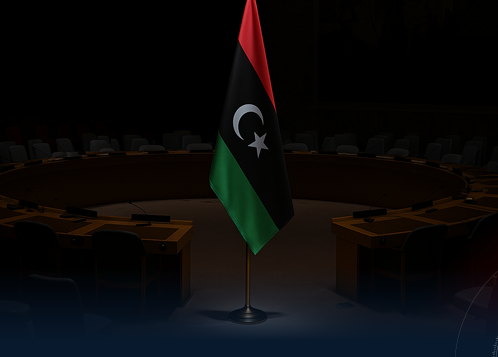
An analytical report published by the American newspaper “Eurasia Review” addressed the UN Mission’s call to the House of Representatives and the High Council of State to build upon the sovereign positions agreement, considering that this call reflects a growing international concern about the political stalemate stifling the political process in Libya.
The Sovereign Positions Agreement as a Rare Tool for Progress
The report affirmed that the agreement is seen today as one of the few available ways to make a political breakthrough, as it provides for mechanisms to select the heads of sensitive institutions such as the Elections Commission, the National Anti-Corruption Commission, and the Administrative Control Authority. These institutions are considered the backbone of any electoral process and pillars of transparency and accountability, which makes their restructuring through political consensus a fundamental step towards holding elections or at least demonstrating the ability of the two councils to produce joint outcomes.
Fears of Turning Positions into an Arena for Influence-Sharing
The report warned of the possibility of these positions turning into an arena for power-sharing between competing blocs, instead of being a tool for real institutional reform, noting that the goal of changing the occupants must be clear: is it actual reform or just a redistribution of influence? It considered that the priority for the UN Mission remains completing the roadmap requirements as a necessary condition for moving the political process forward.
Clear UN Messages and Confirmation of the Mission’s Role as a Guarantor
The report indicated that the presence of the UN Deputy Envoy Stephanie Khoury at the agreement’s signing ceremony in Tripoli carries important messages, chief among them that the United Nations positions itself as a guarantor of implementation and links real political progress to the tracks managed under its supervision, especially after the criticism it faced for the lack of tangible results.
The Ball is in the Court of the Libyan Institutions
The report affirmed that the UN Mission, through this step, wanted to send a message that: “We have presented you with the roadmap, and the ball is now in your court.” It explained that the United Nations will not accept any shortcomings or obstruction, and that it will work to pressure the two councils and hold them accountable before the international community to create momentum that prevents a return to complete stalemate.
Questions About the Reasons for the Ongoing Political Vacuum
The report concluded by raising questions about whether the existing vacuum is a result of deliberate chaos by internal factions that wish for continued instability to secure their gains, or if it is a reflection of external interests, particularly European, seeking to gain economic benefit from the current situation in Libya.