

Benghazi – The reopening of the Strait of Hormuz boosted global oil supplies. This led to a sharp 9% drop in prices on Friday’s close. It was one of the largest daily losses in recent months. Optimism is growing about de-escalating geopolitical tensions in the region.
Brent crude futures fell by over $9. They stabilized near $90 per barrel. US West Texas Intermediate crude dropped by more than $10. Much of the risk premium that supported prices has faded.
This decline followed an announcement by Iran’s Revolutionary Guard. Tehran agreed to allow organized and limited passage for oil tankers and commercial vessels. This decision was made “in good faith and based on understandings reached.” The passage is through the Strait of Hormuz.
A Revolutionary Guard spokesperson confirmed navigation would not fully resume. It will be subject to direct coordination and supervision. This indicates continued security restrictions despite de-escalation. The measure is part of temporary arrangements during the ceasefire. Restrictions could be reimposed if agreement terms are not met.
US President Donald Trump stated Iran agreed not to close the Strait again. He noted the US is “very close” to a deal with Tehran. This agreement includes proposals related to Iran’s nuclear program.
These developments eased investor concerns about supply disruptions. Reports of progress in negotiations and regional truces also contributed. This quickly reflected in market performance.
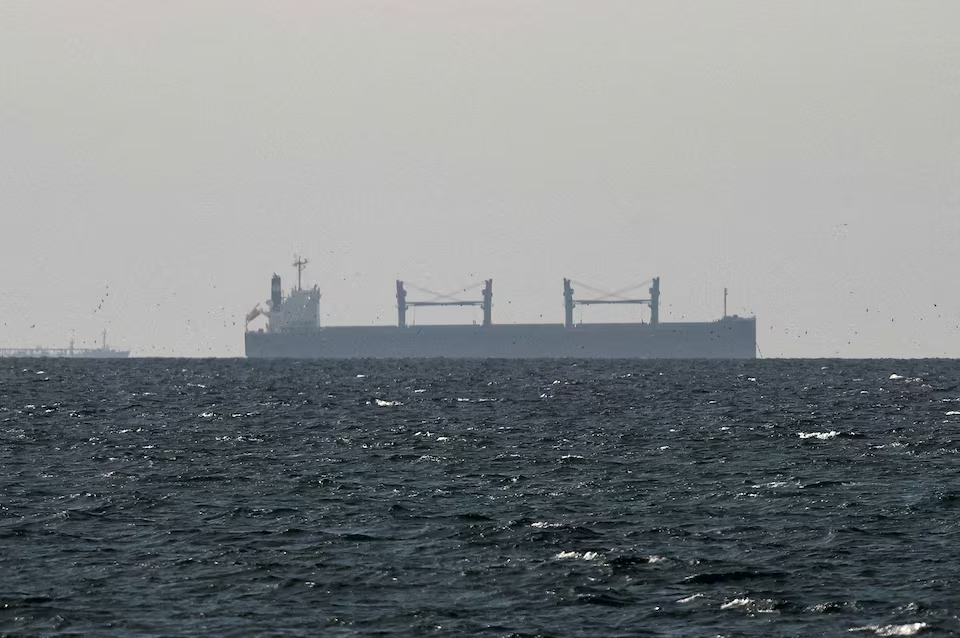
Despite the Strait’s reopening, ship tracking data showed gradual navigation. Limited convoys of oil tankers have passed through. Many other vessels remain stranded or hesitant to cross. This is due to the state of uncertainty.
Analysts believe markets are refocusing on supply and demand fundamentals. This is instead of sharp disruption scenarios. However, they warned of potential rapid volatility. This could occur if negotiations falter or transit restrictions tighten.
The Strait of Hormuz is a vital artery for the global oil market. It previously carried about one-fifth of oil trade. Its recent closure led to a loss of over 10 million barrels per day. This is according to international estimates.