

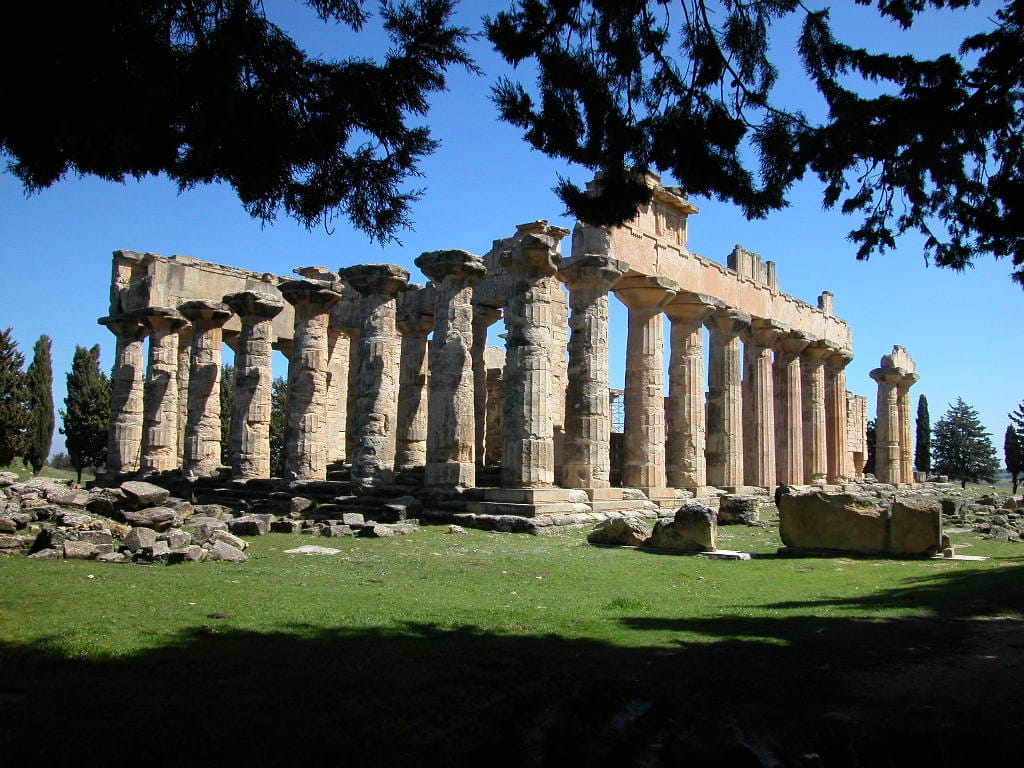
Benghazi – The world celebrates World Heritage Day every April 18th. UNESCO launched this occasion. It aims to raise awareness of the importance of cultural and human heritage. It also stresses the need to protect and preserve it for future generations.
Heritage in all its forms embodies the identity and historical memory of peoples. It includes archaeological sites, ancient cities, customs, traditions, and folk arts. These document the journey of human civilizations through time. This heritage faces increasing challenges. Prominent among these are neglect, armed conflicts, and environmental changes.
This day seeks to enhance global awareness of the importance of protecting cultural and natural heritage. It encourages communities to preserve their historical sites. It supports international efforts to protect sites on the World Heritage List. This contributes to establishing cultural identity and fostering belonging.
Libya is rich in archaeological sites. It hosts several historical cities listed as World Heritage Sites. These include Shahat, Leptis Magna, and Sabratha. They represent living evidence of ancient civilizations. These civilizations left their mark on the region’s history.
Despite this importance, heritage faces multiple challenges. These include poor maintenance, neglect, and disorganized urban expansion. Climate change is another factor. This threatens the safety of many archaeological sites.
In a related context, Ismail Faraj Dakheel reviewed aspects of ancient Cyrene’s history. He is the Director of Museum Management at the Shahat Antiquities Department. He pointed to the transformations during the Roman era. Cyrene transitioned from periods of unrest. It moved into a phase of reconstruction under Emperor Hadrian. Hadrian contributed to reorganizing the city. He also enhanced its cultural status in the ancient world.
Dakheel affirmed to Lana that Cyrene’s ruins today still bear witness to its deep civilization. They also show its ability to renew itself despite past circumstances. He noted the importance of national efforts. These efforts protect and preserve these sites. They are a part of shared human memory.
He concluded by emphasizing that commemorating World Heritage Day offers an opportunity. It renews the call for concerted international and local efforts. These efforts must preserve this human heritage. It serves as a bridge connecting the past to the present. It also establishes a future more aware of cultural identity.