

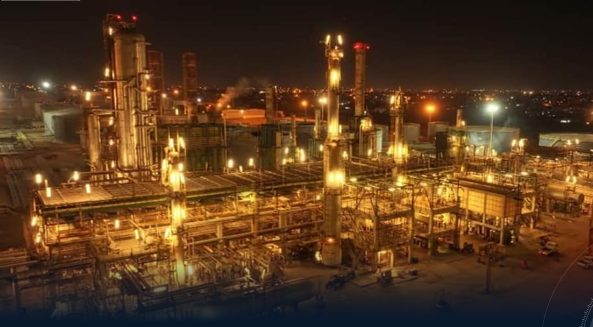
Elias Al-Barouni, Dean of the Faculty of Economic and Political Sciences at Nalut University, commented on the closure of the Zawiya oil depot by protesters, stressing that the incident reveals deeper dimensions than just a gasoline shortage.
Al-Barouni explained in a statement to Erem News that the crisis reflects the state’s weak ability to protect vital facilities and ensure the continuity of essential services, noting that oil has turned into a political and social pressure tool used by tribal, armed, or political factions to bargain with the central government or the National Oil Corporation.
He added that this recurring precedent entrenches the behavior of extorting the state to achieve certain demands, and reflects a deep sense of marginalization and injustice in wealth distribution, which simultaneously sends a negative signal to international companies.
Al-Barouni predicted that the continuation of the crisis would lead to a severe fuel shortage, price hikes, and a flourishing black market, in addition to negative impacts on production and the transportation sector, exacerbating inflation rates and putting pressure on citizens’ standard of living.
He concluded by warning that failure to resolve the crisis quickly could create hotspots of tension between cities like Zawiya and its neighbors, and the situation could escalate into armed clashes.