

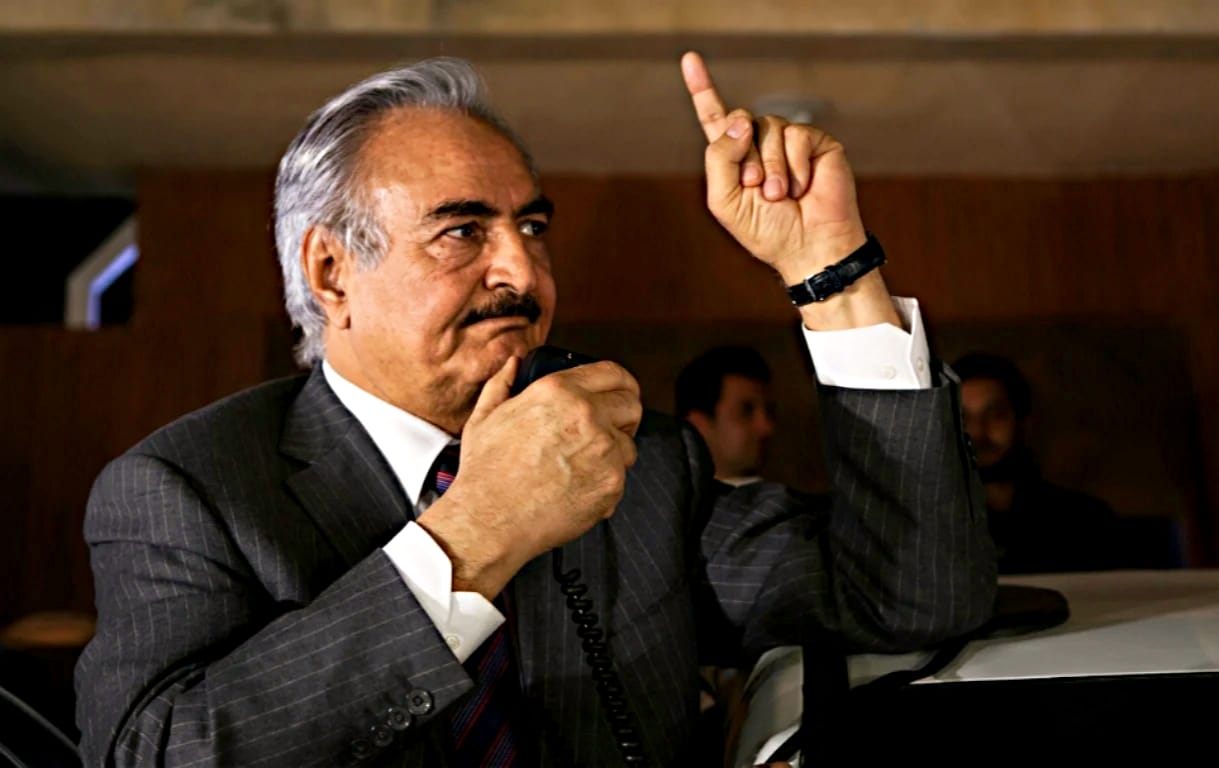
How Would Libya Look in 2026 if Khalifa Haftar Had Been Absent Since 2011?
As international efforts continue in 2026 to end Libya’s administrative division, it seems essential to deconstruct the geopolitical landscape away from emotional narratives. Since the outbreak of the February 2011 revolution, Libya slipped into a security and institutional vacuum that nearly wiped it off the map. To understand the nature of the current balances that impose the Libyan Arab Armed Forces’ control over more than 85% of the country’s territory, a critical question must be posed: What if Field Marshal Khalifa Haftar had not appeared on the scene?
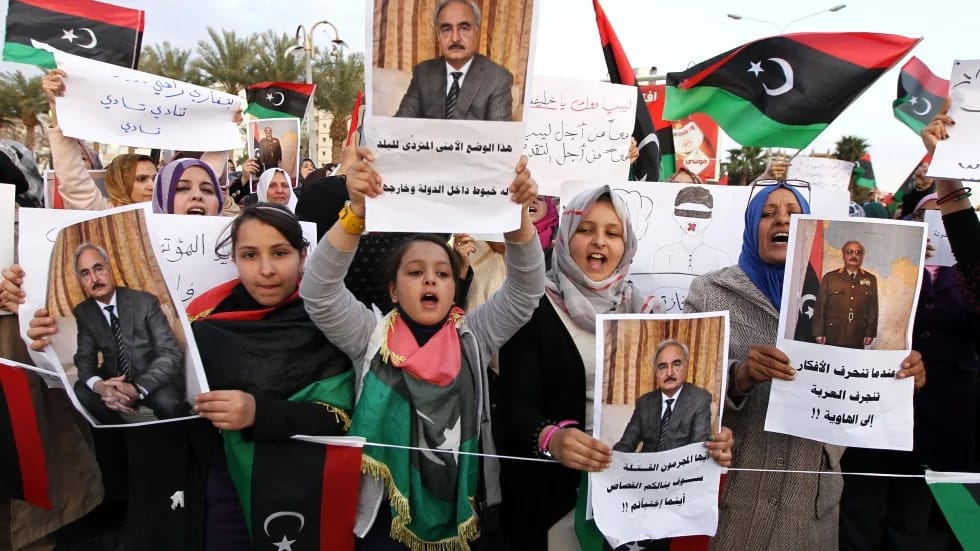
The hypothetical absence of a centralized military institution at that stage would not have led to a democratic transition, as some circles promote. Instead, it would have inevitably driven Libya into complete “Somalization,” according to the data and realities on the ground.
Cyrenaica: From Assassinations to a “Wilayat of ISIS”
To comprehend the weight of the military intervention, one must return to the streets of Benghazi and Derna between 2012 and 2014. The eastern region was not experiencing a political conflict, but rather a systematic physical liquidation. Benghazi alone recorded over 250 assassinations targeting army and police officers, judges, and civil activists at the hands of Takfiri gangs.
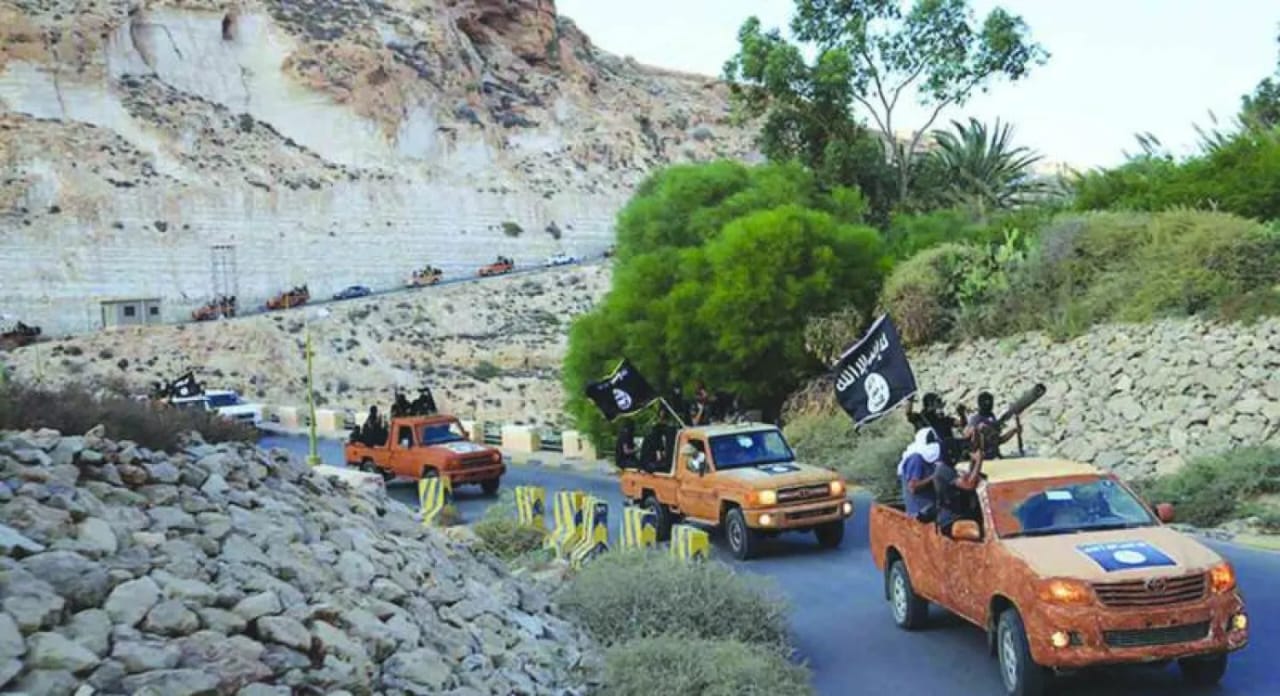
Had “Operation Dignity” not been launched to gather the scattered military personnel in Al-Rajma, ISIS (which later announced the establishment of “Wilayat Barqa”) and Al-Qaeda formations like the “Ansar Al-Sharia Brigade” and “Abu Salim Martyrs Brigade” would have managed to link Derna to Benghazi and declare a transnational extremist emirate.
This scenario would have inevitably necessitated direct foreign military intervention, akin to the international coalition’s campaign in Syria’s Raqqa or Mosul. This would have turned the infrastructure in the eastern region to ashes, placing it under an international mandate that would extend to this day, instead of the scenes of modern towers, bridges, and airports currently witnessed in army-controlled areas in 2026.
Tripoli: Brotherhood Dominance and Central Bank Wars
In western Libya, the rise of the National Army formed a geopolitical bulwark that confounded the calculations of political Islam. In the summer of 2014, following the electoral defeat of the Justice and Construction Party (the political arm of the Muslim Brotherhood) in the parliamentary elections, a coalition of militias launched “Operation Libya Dawn.” This resulted in the total destruction of Tripoli International Airport—which remains in ruins to this day.
Had the weight of the army been absent as a balancing force, the armed formations backed by the fatwas of the isolated Mufti, Sadiq al-Ghariani, would have completely swallowed the state’s vital organs. Without a “common enemy” coming from the east, the fragile regional alliances between the militias of Misrata, Zintan, and Tripoli would have collapsed early on. This would have sparked grinding, multipolar civil wars for control of the Central Bank and oil revenues. The absence of the army would mean that Tripoli today would be nothing more than warring fiefdoms ruled by warlords, rather than an entity claiming to monopolize the government’s legitimacy.
The Oil Crescent and Fezzan: Securing the Economic Artery
Economically, the blockade of oil ports led by Ibrahim Jadhran’s militias cost the Libyan treasury over $100 billion in losses between 2013 and 2016. The army’s intervention to recapture the Oil Crescent (Ras Lanuf, Es Sider, and Brega) was not merely a military victory; it was a rescue of the national economy, restoring the pumping of 1.2 million barrels per day and placing them under the management of the National Oil Corporation. In the absence of this force, vital facilities would have inevitably fallen into the hands of ISIS (which actually attacked them in 2016) or remained hostage to the extortion of smuggling gangs.
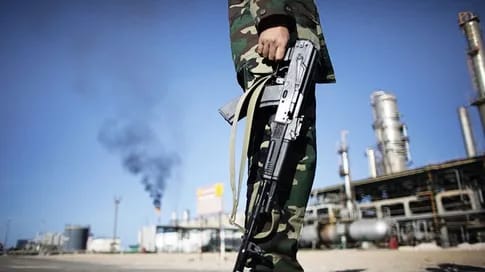
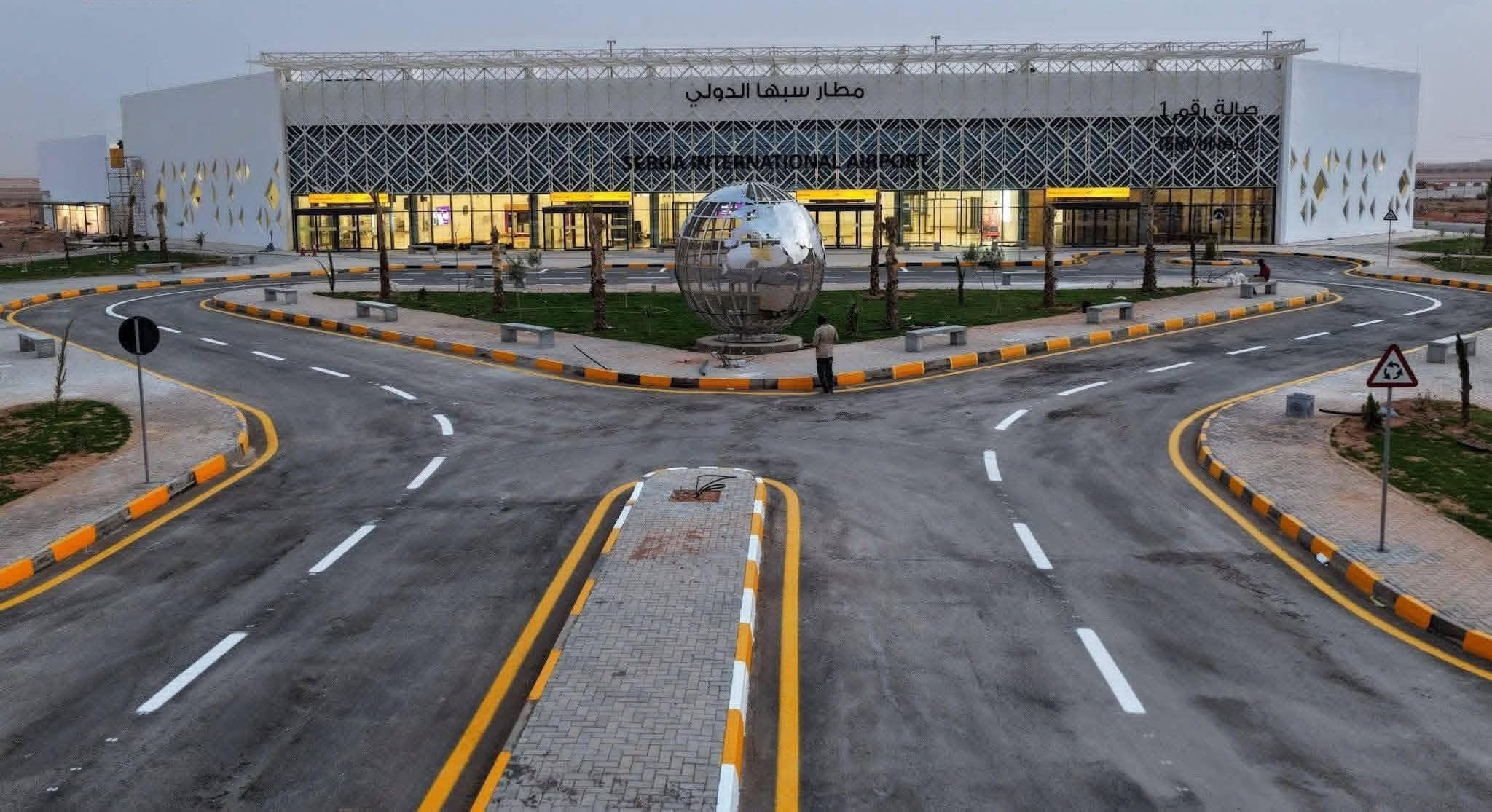
Down south in Fezzan, had the armed forces not moved to secure the city of Sebha and the “Sharara” and “El Feel” oil fields, southern Libya today would be an open settlement for Chadian opposition rebels and trans-Saharan smuggling cartels, and the demographic fabric of the south would have been entirely torn apart.
The Legitimacy of Survival
Reading the Libyan landscape in 2026 requires acknowledging that Field Marshal Khalifa Haftar did not invent the conflict; rather, he created an institutional framework to contain it. Democracy requires a state first, and a state requires a legitimate monopoly on force. Had it not been for the building of a regular military force that imposed stability across more than two-thirds of the country’s territory and allowed the launch of current development and reconstruction projects, Libya today would be nothing more than a failed geographical spot where terrorist organizations in the east and ideological militias in the west battle over the ruins of a homeland.