

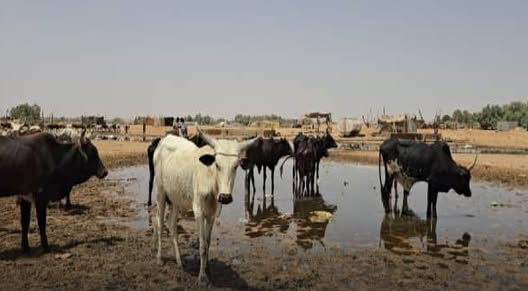
Umm al-Aranib – The Agricultural Police Department, Marzuq branch, reported suspected cases of a viral disease. These cases were found among imported cattle of African origin. The discovery occurred during a field inspection at the main livestock market in Umm al-Aranib. This area is part of the Al-Sharqiyat municipality in southern Libya.
Major General Ayoub Saleh Miloud heads the Marzuq Agricultural Police branch. He explained the findings after inspecting animals at the market. Veterinary teams and the regional agriculture sector participated. They suspected several cows had Lumpy Skin Disease. This is a viral illness affecting cattle. It impacts their health and productivity.
Miloud confirmed immediate precautionary measures were taken. Suspected animals were isolated and quarantined. This will continue until precise laboratory tests are complete. He stressed the importance of protecting livestock. Preventing potential disease spread within the country is crucial. The department lacks authority to halt import operations.
He noted the department’s role is limited to field monitoring. It also inspects animals in markets. The department has emphasized stopping health certificate issuance for African-origin cattle. This follows instructions from competent authorities. It ensures the application of approved animal health requirements.
Veterinarian Abdullah Azzoumi provided further details. Initial examinations revealed several symptoms. These included high fever, nasal, oral, and eye discharges. Loss of appetite was also observed. He pointed out these signs resemble Lumpy Skin Disease. Laboratory analyses are necessary for a definitive diagnosis.
Azzoumi added that suspected cases require immediate isolation. Disinfection and animal spraying are also needed. Providing equipped health quarantines is essential. Sufficient veterinary staff must be available. These steps aim to limit infection spread. They also ensure control over livestock health in the region.
In related news, Hussein Abdel Salam spoke. He is the agriculture sector coordinator for Al-Sharqiyat municipality. He confirmed specialized teams continue field patrols. These patrols follow directives from the National Centre for Animal Health and the Ministry of Agriculture. Their goal is to monitor markets. They ensure markets are free from any epidemic diseases. These diseases could threaten livestock.
Abdel Salam indicated that Umm al-Aranib market is a major livestock hub. It distributes cattle, sheep, and camels throughout Libyan cities. This makes it a critical point. It requires continuous and strict health monitoring.
Abdel Salam called for establishing an integrated animal health center. It should feature modern laboratories and health quarantines. Specialized veterinary teams are also needed. This would enhance oversight. It would protect livestock, a key economic resource. This also supports national food security.