

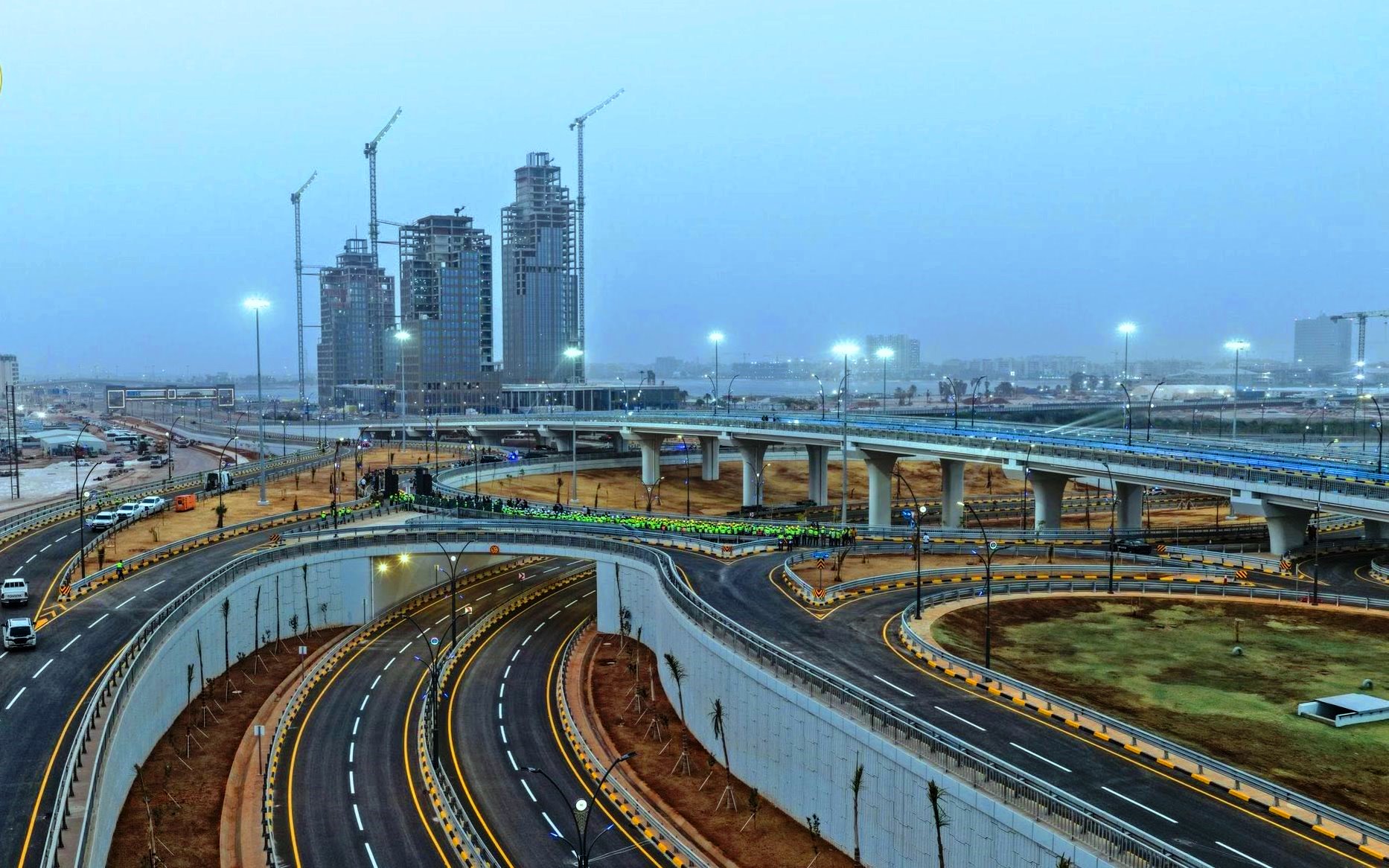
The American think tank “Middle East Forum” published a new report by researcher and former Pentagon official Michael Rubin, likening the massive transformation currently underway in Benghazi to the early renaissance of Dubai in 1994. The report confirmed that the reconstruction boom and mega-infrastructure projects overseen by Saddam Haftar reflect an unprecedented energy setting the city on a path of rapid economic growth. The author noted that these transformations crown the success of the Armed Forces in clearing the city of militias and terrorism through “Operation Dignity,” while the only region that still tolerates militia violence is in and around Tripoli and Misrata, where Abd al-Hamid Dbeibeh continues to protect them.
The report highlighted the mega-projects in Benghazi, spearheaded by the $1.3 billion Tika International Airport, which is advancing at a record pace for completion by March 2027. The facility will accommodate 15 million passengers annually with runways longer than major US airports. The author also pointed to the Tosyali-SULB mega-complex, set to be the world’s largest Direct Reduced Iron steel plant upon opening in May 2027, alongside the ongoing reconstruction of Old Benghazi and comprehensive overhauls of the city’s infrastructure networks, contrasting this rapid pace with the corruption-hindered development in neighboring nations.
The article touched upon the city of Sirte as another testament to the General Command’s philosophy to “let actions speak more than words.” Rubin praised its new airport, which resembles a European facility, massive convention centers, the Ibn Sina hospital—which has become a regional healthcare destination—and new toll roads and ports. Conversely, the author launched a scathing attack on Dbeibeh’s government, asserting that his complaints about this independent development and demands to channel it through the state “only highlight his own incompetence,” especially given the lack of corollary reconstruction in cities under his direct control. The report praised the financial model supporting this renaissance, noting the role of the Arkenu Oil Company in pumping proceeds into public coffers rather than diverting profits to private bank accounts abroad.
The report concluded with a direct message to the US administration, urging President Donald Trump and Secretary of State Marco Rubio not to make the mistake of “punishing success.” The author emphasized that while Libyans want unity, they “do not want unity to absolve failure and corruption,” warning that rewarding Dbeibeh for wasting billions of dollars and protecting extremist militias would be self-defeating. The report demanded that Dbeibeh be told that he needs to “follow the Benghazi model or to get out of the way.”