

Two analytical reports published by Italy’s Nova news agency highlight the ongoing smuggling of subsidized fuel from Libya to the parallel domestic market and neighboring countries.
Authorities recently seized 6,000 liters of fuel on the road between Jalu and Awjila. This incident points to a black market fed by Libya’s fuel subsidy system, which makes the prices of gasoline and diesel among the lowest in the world.
Gasoline is officially sold for 0.15 dinars per liter, with the government bearing much of the true cost. The reports state that this price gap creates large profit margins for smugglers and criminal networks, encouraging the trafficking of petroleum products.
Some of the fuel is resold on Libya’s black market, while other quantities are transported across borders to Tunisia, Niger, Chad, Sudan, and other countries in the region, where it fetches higher prices. The reports note that this problem is especially noticeable in southern and remote border areas.
A shortage of official supplies forces residents in some regions to buy gasoline and diesel at high prices on the black market. In the south, illegal trade networks are intertwined with armed groups and criminal organizations that control roads, storage sites, and border crossings.
The reports add that reforming the subsidy system remains a political and social challenge because any sudden increase in prices would directly impact people’s purchasing power. According to the International Monetary Fund, the price difference fuels special economic interests and generates billions of dollars annually in profits for fuel resale networks.
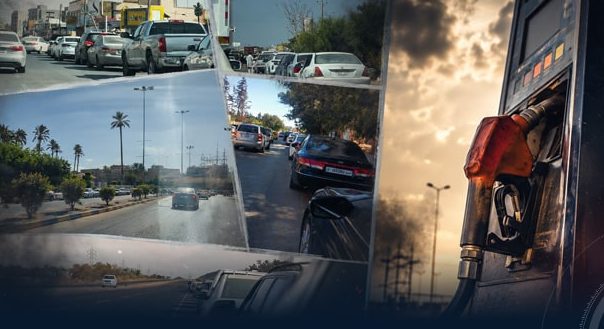
Despite Libya’s significant reserves of low-sulfur, high-quality crude oil suitable for refining, long lines have returned to fuel stations in Tripoli, with wait times reaching up to five hours.
The reports attribute recurring fuel shortages to the country’s limited local refining capacity, forcing Libya to import much of its required petroleum products. They also cite frequent disruptions in internal distribution.