

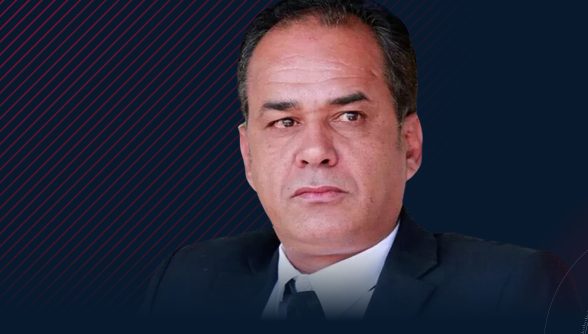
Issa Al-Oraibi is a member of the House of Representatives. He stated the country’s situation prompted the House to sign the agreement now. Expenditures exceeded revenues. This resulted in a deficit. Rising prices due to the surging dollar exacerbated the problem.
Agreement after lengthy discussions.
Al-Oraibi explained this on the “Tonight’s Dialogue” program. The program airs on Libya Al-Ahrar channel from Turkey. He said all parties recognized the state faces difficult circumstances. The agreement followed extensive discussions, dialogues, and meetings. Many parties participated. He also thanked “unknown soldiers” who contributed to its achievement.
Agreement began without figures, concluded with a financial schedule.
He added the first agreement was signed on November 15, 2025. This development agreement initially lacked specific figures. Committees were then formed. Consultations took place among various parties. This led to a final version with a financial schedule.
He clarified that the first category, salaries, was set at 73 billion dinars. 10 billion dinars were allocated for the second category, operational spending. An additional 13 billion dinars were for the National Oil Corporation’s operating expenses. This aims to carry out maintenance and development in ports and transport lines.
He indicated the development category was set at 40 billion dinars. Fuel subsidy reached 44 billion dinars. The budget calculation used a $70 per barrel oil price. This price might rise to $100. If it does, the committee will agree on how to distribute the surplus above $70.
Development distribution between West, Barqa, and Fezzan.
Al-Oraibi continued that the 40 billion dinars for development will be distributed among implementing bodies. He explained Dbeibah’s government has agencies for development, housing, and infrastructure. Barqa and Fezzan have a reconstruction fund and a development agency. He affirmed the division was based on geographical and demographic factors.
Central Bank guarantees the agreement.
Al-Oraibi stated he represented the House of Representatives in these understandings. Abdul Jalil Al-Shawish represented the High Council of State. Parties welcomed the agreement. The Central Bank of Libya will guarantee its implementation and fund distribution.
He considered this agreement ended financial decision duplication in Libya. The goal is to balance expenditures with revenues. It also aims to control the dollar exchange rate. He expects the dollar to reach 7 dinars by late April. Liquidity conditions are also expected to improve.
Internal and external guarantees.
Al-Oraibi noted external guarantees for this agreement exist. These include the US Treasury Department and Special Envoy Masad Boulos. Internal guarantees involve parties in the east, west, and south. The Governor of the Central Bank of Libya is also a guarantor. He will be responsible for distributing these funds.