

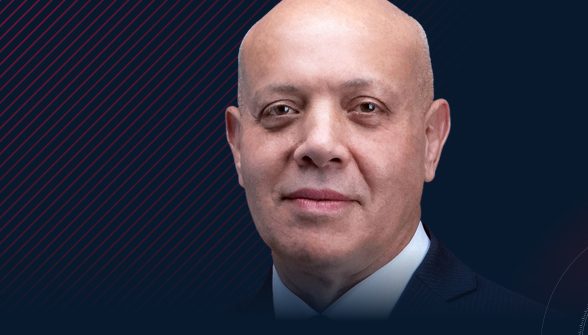
Libya – Presidential candidate Fadhil Al-Amin stated that Libyan funds frozen abroad for nearly 15 years were initially frozen to prevent misuse. This was done to avert theft or looting. He noted that most of these funds belong to the Libyan Investment Authority. The LIA was established as Libya’s sovereign wealth fund. It serves as an investment vehicle for future generations.
Al-Amin posted on his personal Facebook page. He explained that Libya’s investment model often fell short of major sovereign wealth funds. He cited examples like Norway, Kuwait, Saudi Arabia, and Qatar. Many investments were unsuccessful in type or size. Their returns were weak, even in the best scenarios.
Al-Amin noted that Libyan assets entered an international freeze after 2011. Libya now faces a dilemma. Continued freezing leads to erosion of value, opportunities, and returns. Lifting the freeze amid national division risks theft, looting, extravagance, and misuse.
Al-Amin clarified that some Libyan and foreign parties seek to lift the freeze. Some fear asset erosion. Others covet access to the funds. Conversely, international and local parties reject lifting the freeze. This opposition stems from de facto governments, institutional division, and a lack of full legitimacy. Weak oversight, poor transparency, and an absent strategic vision for the national sovereign fund also contribute.
Al-Amin believes continuing the freeze temporarily is the lesser of two evils. He urges swift action to end the division. He calls for restoring the Libyan state and its institutions. He also advocates building prudent international partnerships. These partnerships would preserve Libyan wealth and invest it wisely.
Al-Amin emphasized that the goal is not to manage these funds through hundreds of failed government companies. Nor is it to consume them in temporary political deals. Instead, he proposed investing them in technology and innovation. He also suggested major projects and shares in successful global companies. This would diversify income and protect the rights of future generations.
Al-Amin reported that billions of dollars leaked last year into international and regional conflicts. These conflicts thrive on Libya’s disintegration and state collapse. He added that some still try to appease foreign entities with Libyan money. They seek approval, continued existence, and to buy time. He stressed that frozen funds are not spoils of war for anyone. They belong to the Libyan people and future generations. Despite its drawbacks, continued freezing remains the lesser of two evils. This is due to the division, illegitimacy, and lack of oversight.