

Benghazi – Libyan university education faces increasing debate about its roles and functions. It no longer limits itself to knowledge transfer in classrooms. Its scope now includes building community awareness. It also promotes citizenship values. University education connects students to their local environment. Academic proposals suggest curriculum reform. This reform aims to meet development requirements. It enhances integration between theoretical and practical aspects.
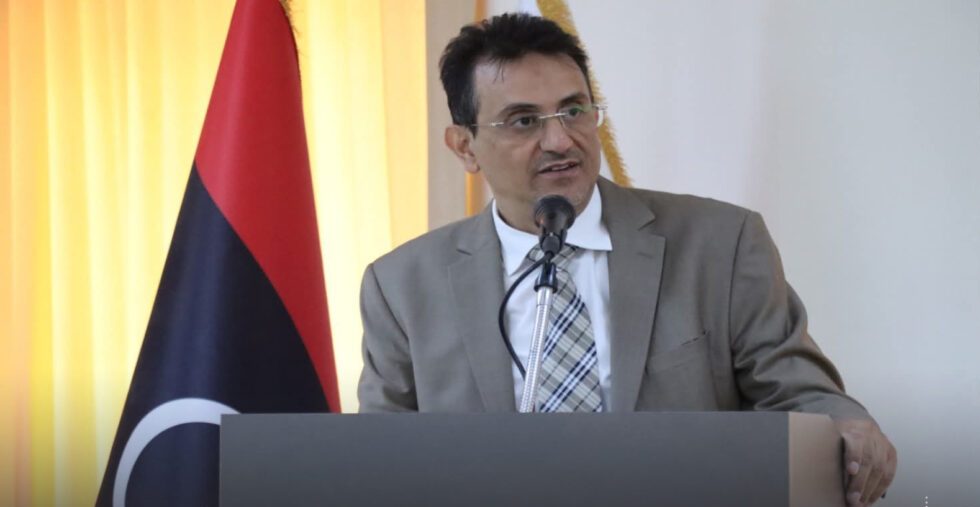
In this context, Hussein Salem Marjain proposed developing national education courses. He is the head of the Libyan Association for Quality and Excellence in Education. The proposal aims to transform these courses. It would shift them from a traditional theoretical framework. Instead, it would adopt an applied field model. This model would directly link to community service and local development.
Marjain explained the proposal to the Libyan News Agency. It comprises two phases. A two-month theoretical phase establishes basic knowledge. This includes history, law, rights, and duties. An operational phase follows. It focuses on fieldwork within community service programs. This happens for the rest of the academic semester. This approach transforms students from information recipients. They become active development partners.
According to the concept, the evaluation system relies on 60% for practical work. 40% is allocated for theoretical aspects. Students must complete at least 10 fieldwork hours. They must also prepare a performance card and a digital report. This report documents completed activities.
Marjain believes the course extends beyond its educational function. It forms a “knowledge barrier.” This barrier counters division and intellectual fragmentation. It trains students in sociological critique. They analyze discourses that advocate disintegration or erase national identity. The course also enhances collective memory. It connects students to unifying national milestones.
He also asserts that building citizenship is not confined to classrooms. It requires direct involvement in fieldwork and volunteering. This fosters values of belonging. It makes them more sustainable and impactful.
The proposal links national education development with “knowledge sovereignty.” It aims to prepare generations capable of resisting polarization and division. They will contribute to stability and development. This will be based on a unifying national narrative.
This transformation could also improve the international ranking of Libyan universities. It would achieve this through community service indicators. It would also improve sustainability and digital impact. Furthermore, it would enhance digital academic presence.
He calls for building effective partnerships. These would involve universities, municipalities, service institutions, hospitals, and associations. Such partnerships would make universities direct participants in addressing local issues. They would also provide students with early practical experience before graduation.
Despite the proposal’s comprehensive developmental vision, specialists emphasize its success depends on university capacity. Universities must provide a regulatory and administrative environment. This environment must manage and document fieldwork effectively. It also requires activating genuine partnerships with community institutions.