

Tripoli – The House of Arts and Traditional Crafts, located in the historic Hosh Al-Saboun, hosted a graduation ceremony Tuesday evening for the first class of trainees in leather industry crafts. The event was attended by cultural and media figures and is part of ongoing efforts to support traditional crafts and equip young people with vocational skills that help preserve Libya’s cultural heritage and expand employment opportunities.
The ceremony began with speeches emphasizing the importance of protecting and developing traditional industries as a vital part of Libyan cultural identity. The speakers also highlighted the role of these industries in job creation and helping young people integrate into the workforce.
Organizers said the trainees received specialized training and knowledge in leatherwork, enabling them to produce items that demonstrated their progress during the course. Ala Al-Atri, a designer and traditional leather crafts instructor, told the Libyan News Agency that the “Hosh Al-Saboun” workshop was a unique experience that brought together diverse segments of society to learn leatherwork.
The workshop included participants with disabilities, autism, and Down syndrome. Al-Atri explained that the program was designed to incorporate these groups and teach them essential skills and safe tool use, as well as workplace interaction. The workshop also welcomed retirees looking to start small businesses, families seeking new sources of income, and participants facing psychological pressures. It served as a supportive space for self-development and learning new skills.
A total of 27 people of various ages participated in the program, working together as a team. According to Al-Atri, the outcomes went beyond crafted leather goods to include building human capacities for collaboration and productivity.
Participant Wala Ahmed Ibrahim from Sudan said she was grateful to Libya after taking part in the intensive leatherworking course, which lasted four months and included practical training in production techniques. She said she helped make wallets and other handcrafted items and that the experience gave her new skills that would support her professional ambitions. The course included 21 trainees from Sudan and Libya, allowing for the exchange of experience and ideas. Ibrahim expressed hope that similar programs would be held in the future to support youth in artisanal industries.
Organizers said the initiative aims to train local talent and encourage young people to pursue traditional crafts, helping to protect cultural heritage and boost the local economy. German Deputy Ambassador Daniel Chemsky, whose embassy sponsored the workshop, praised the House of Arts and Traditional Crafts as a leading example in revitalizing heritage industries through training and innovation. He noted that passing on knowledge and skills supports the sustainability of these crafts and that traditional industries are not only a cultural legacy but also an economic asset that creates jobs and encourages creativity.
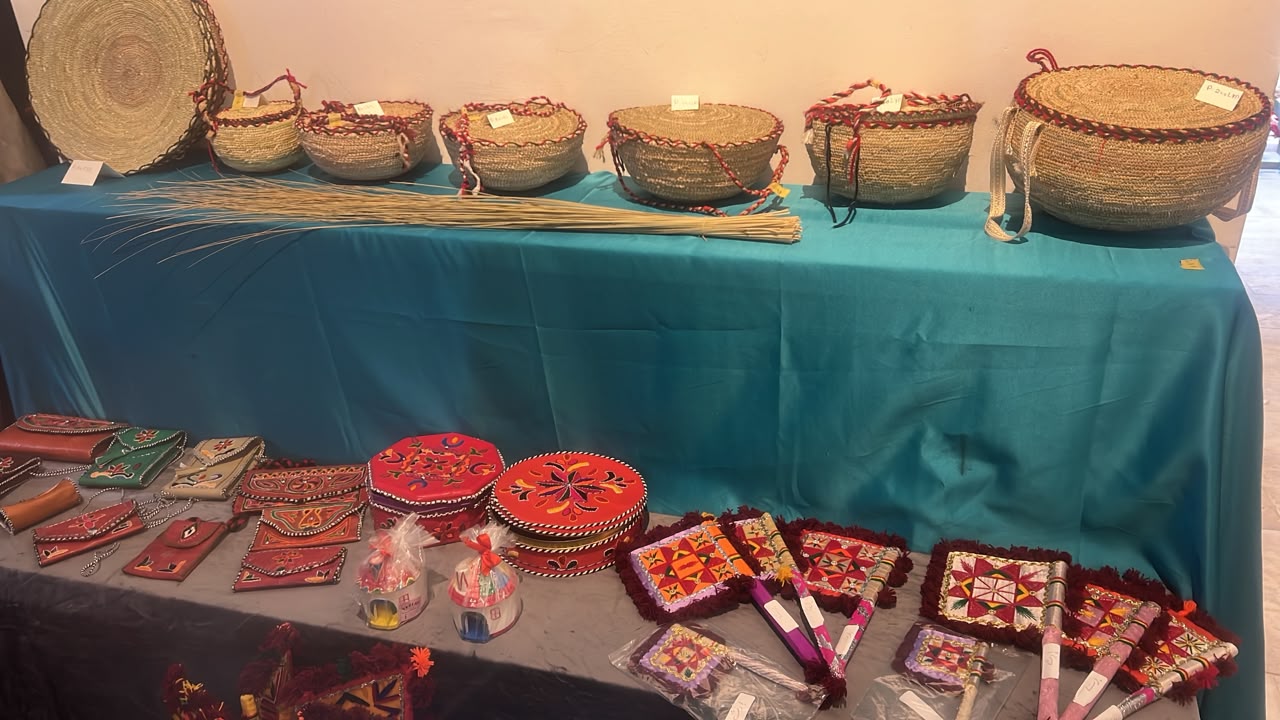
During the ceremony, trainees displayed examples of their leather products in an exhibition that drew praise for its technical and creative quality. Selecting Hosh Al-Saboun in the old city as the workshop venue carried symbolic significance, as the site dates back to the Ottoman era and later became associated with traditional soap making. After restoration, it reopened in 2021 as the House of Arts and Traditional Crafts, serving as a hub for supporting artisans, preserving traditional industries, and passing them to future generations—combining historic authenticity with forward-looking aspirations.