

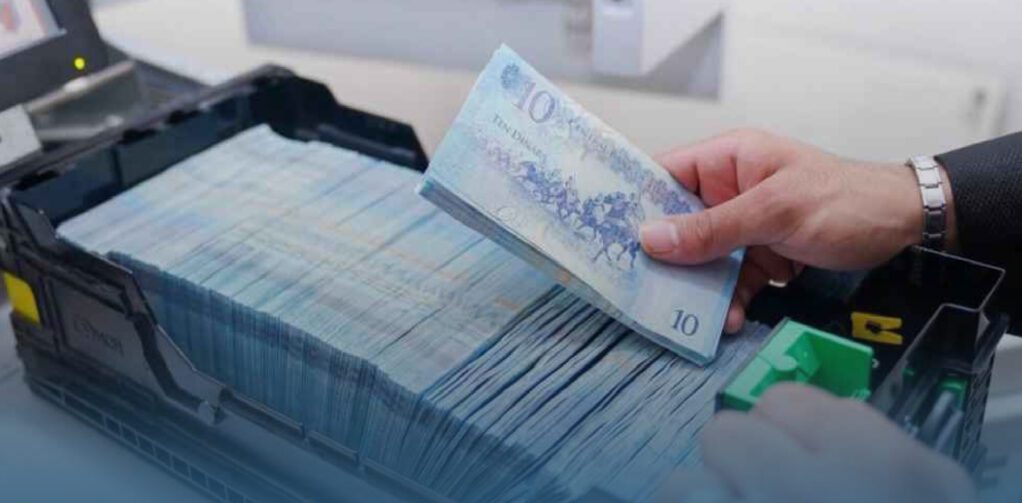
Benghazi – Benghazi is witnessing an intense economic debate. This follows measures to close the parallel currency market. Large quantities of Libyan dinars were withdrawn from traders’ coffers. These actions aimed to control the exchange rate. They also sought to alleviate the liquidity crisis. Supporters see these steps as firm to curb speculation. Critics, however, warn of potential repercussions. A fundamental question arises: Are these measures an effective solution? Or are they a temporary fix that could become an economic burden?
Limited Immediate Impact
Market observers suggest these measures might cause a temporary dollar price decline. This is due to reduced cash circulation outside official channels. Short-term speculation activity may also decrease. However, experts believe this effect is fragile. It requires support from parallel reforms. These reforms must ensure a regulated flow of cash. They must also provide dollars through legitimate and transparent channels.
Fears of Deepening the Crisis
Economists warn that drying up liquidity without practical alternatives could worsen the cash crisis. It could also pressure daily commercial activity. This might push individuals and traders towards dollarization. They may resort to gold as a safe haven. This could again raise the dollar’s price in the unofficial market. Closing the parallel market by force, without addressing its roots, might push it underground rather than eliminate it.
Is Returning Withdrawn Currency the Solution?
A debate also exists regarding assigning responsibility for the crisis to the Central Bank of Libya’s governor. There are calls to return the withdrawn currency to circulation. Specialists believe that randomly re-injecting cash could temporarily resolve the “cash” crisis. However, it does not address exchange rate imbalances. This is especially true if the withdrawal was linked to irregular issuances. It could also be linked to regulatory necessities aimed at restoring confidence in the monetary system.
Analysts agree that the most effective solution is a comprehensive package. This includes regulating the exchange market through official, transparent channels to meet real demand. It also involves providing sufficient and regular liquidity to traders and citizens without sudden drying up. Accelerating the transition to electronic payments with reliable infrastructure is also crucial. Furthermore, public spending must be controlled. Monetary and fiscal policies need coordination.
In conclusion, measures to close the parallel market and withdraw liquidity might provide temporary calm. However, they are insufficient alone to ensure lasting stability. Without comprehensive reforms addressing the root causes, concerns persist. These include a return to instability and a rising dollar. This would burden citizens and increase living pressures in Benghazi.