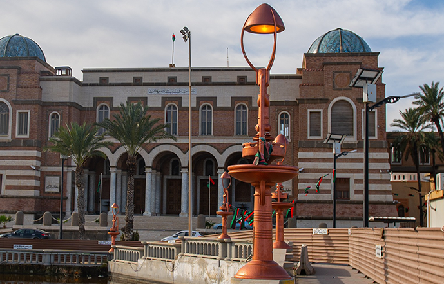
Academic and economist Mohamed Darmish believes that the features of the monetary reforms adopted by the Central Bank of Libya in the current phase do not rise to the level of the current economic challenges, considering that they serve the interests of the parallel market and brokers more than they strengthen confidence in the official banking system.
Criticism of Imposing Fees on Cash Deposits and Withdrawals
In a statement to the Sputnik agency, Darmish explained that imposing fees on cash deposit and withdrawal operations is a step that leads to a loss of public confidence in banks. He pointed out that restricting withdrawal limits and setting complex conditions for obtaining liquidity has given more room to what he described as the “parallel market group.”
He stated that these measures have contributed to creating a fertile environment for monopoly and currency speculation, through the sale of dollars with bank checks at high prices, which has increased the demand for the dollar and raised its value on the parallel market.
Negative Repercussions on the National Economy
Darmish pointed out that the Central Bank’s policies are still below the required level within the comprehensive economic reform program, which has negatively impacted commercial activities and the local market, in addition to the deterioration of the Libyan dinar’s value against foreign currencies, rising inflation rates, and the widening scope of poverty.
Lack of Coordination Between Economic Policies
He stressed that the lack of coordination between monetary, fiscal, commercial, and executive policies hinders any serious path to economic reform. He called for managing the economic crisis with a unified policy and a strategy of close daily monitoring of the situation to develop a genuine reform plan that enables the state to stimulate the economy and attract investment.
Regulating Imports and Exports Through Official Channels
Darmish emphasized the need for the Ministry of Economy and Trade to regulate the import process in coordination with the Central Bank of Libya, by establishing a mechanism that obligates importers to submit an annual import budget to be officially approved within the Central Bank’s database, to ensure needs are accurately covered and to prevent chaos.
He concluded by asserting that regulating export and import operations through official channels is the best option to ensure a stable flow of goods and services, monitor quality, and punish violators, which contributes to protecting the national economy from speculation and financial chaos.