

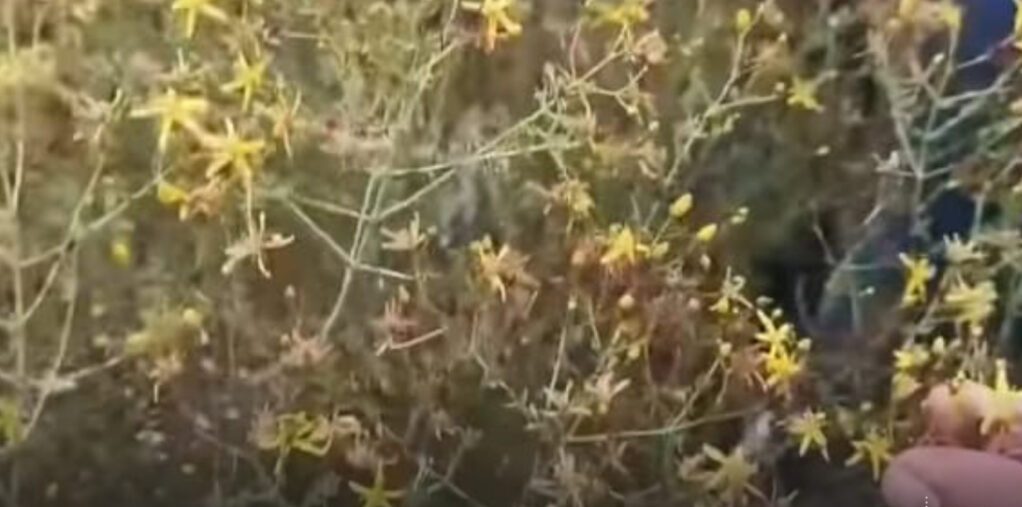
Marj – Marwan Al-Assili, head of the Veterinary Medical Professions Syndicate in Marj, has warned of serious consequences from the spread of the poisonous “Abu Quratu” plant in natural pastures. He said the plant now poses a direct threat to the safety of sheep, cattle, and goats and could cause significant economic losses for livestock owners if urgent action is not taken to contain it.
Abu Quratu is a toxic wild plant that grows in grazing areas, especially after periods of rain and flooding. It contains substances that harm the nervous system and skin of animals, leading to severe symptoms such as blindness, skin inflammation, and overall decline in livestock health when consumed or even touched.
Al-Assili told the Libyan News Agency that the recent floods and weather changes have contributed to the wider spread of this plant in pastures. He urged farmers to remain vigilant to protect their herds. The syndicate has recorded a worrying increase in farmers’ reports of serious injuries among livestock, including blindness, ear swelling, cracked and split skin, decreased production, and overall poor health.
He emphasized that the plant’s danger now lasts all year due to recent climate events. Waiting until the end of summer or autumn is no longer an effective way to protect animal resources. Traditional methods used by farmers, such as burning or deep plowing, have not succeeded in eliminating the plant.
Al-Assili called on the authorities to develop an urgent national strategy to combat the plant and provide suitable pesticides that do not harm the environment or animal safety. He stressed the need for combined efforts to protect livestock and ensure the stability of the animal production sector in the region.