

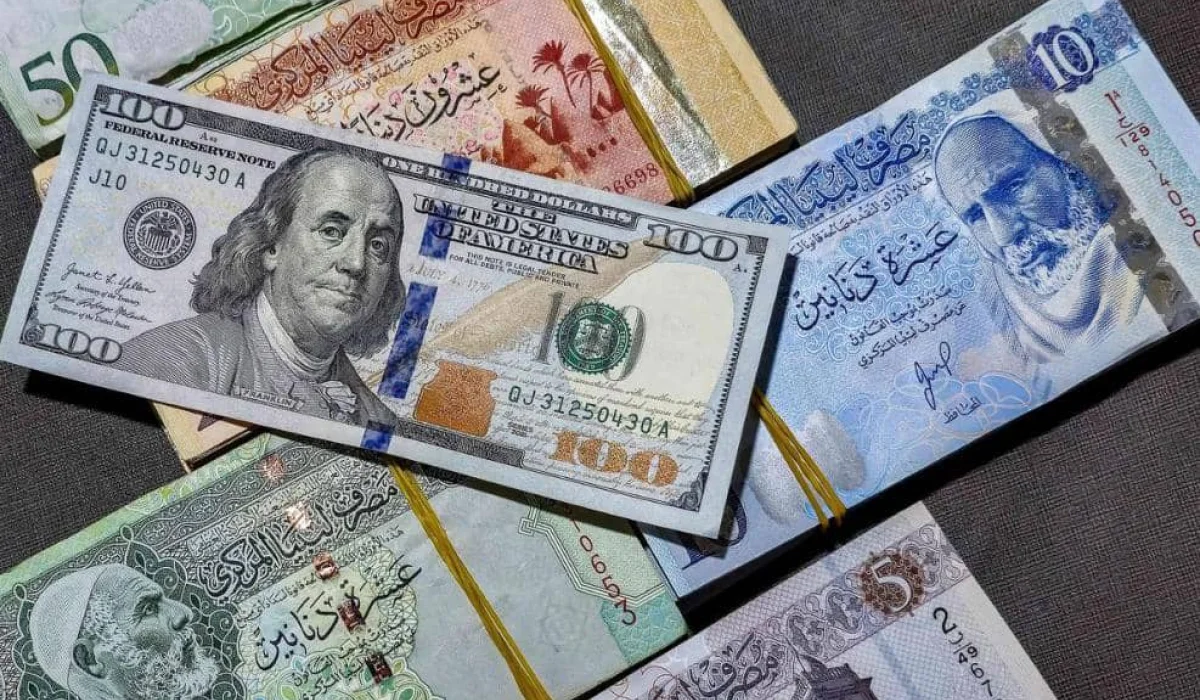
The National Committee for Combating Money Laundering and Terrorist Financing has warned of growing threats to Libya’s financial system, urging immediate action to adopt a comprehensive anti-money laundering law in line with international standards.
In a statement released Thursday, the committee emphasized that addressing these mounting challenges is a national responsibility requiring close cooperation and coordination among legislative, executive, regulatory, and judicial authorities.
Warning of Isolation and Negative Ratings
The committee cautioned that continued delays in meeting international requirements could result in negative classifications from global oversight bodies. Such ratings, it warned, could damage Libya’s financial reputation, isolate it economically, hinder international financial transactions, deter foreign investment, and directly impact economic stability and citizens’ livelihoods.
Suspicious International Financial Activity
The committee revealed it had received international alerts regarding suspicious financial activities that may have passed through Libya’s financial system, exposing serious weaknesses. These vulnerabilities could lead to increased international scrutiny and enhanced due diligence by global banks and financial institutions.
It stressed that such developments pose a real threat to Libya’s international standing and could trigger legal accountability on a global scale—highlighting the urgent need for intervention by all Libyan authorities.
Call to Expedite Legislation
The committee reiterated the urgency of adopting the draft anti-money laundering and counter-terrorism financing law, calling it a crucial step toward meeting the requirements of the Financial Action Task Force (FATF) and restoring trust in the Libyan financial system. It warned that further delay would have severe consequences for Libya’s reputation and financial integrity.
According to the committee, the fight against financial crime can only be won by establishing a robust legal and institutional framework, including deterrent legislation, effective oversight mechanisms, and strong cooperation among the relevant authorities.
Call for Immediate Action
In its closing remarks, the committee urged all branches of the Libyan state—including legislative, executive, judicial, regulatory, and law enforcement bodies—to fulfill their responsibilities in protecting the national economy. It called for urgent measures to safeguard Libya’s financial system and strengthen its position within the global financial network.