

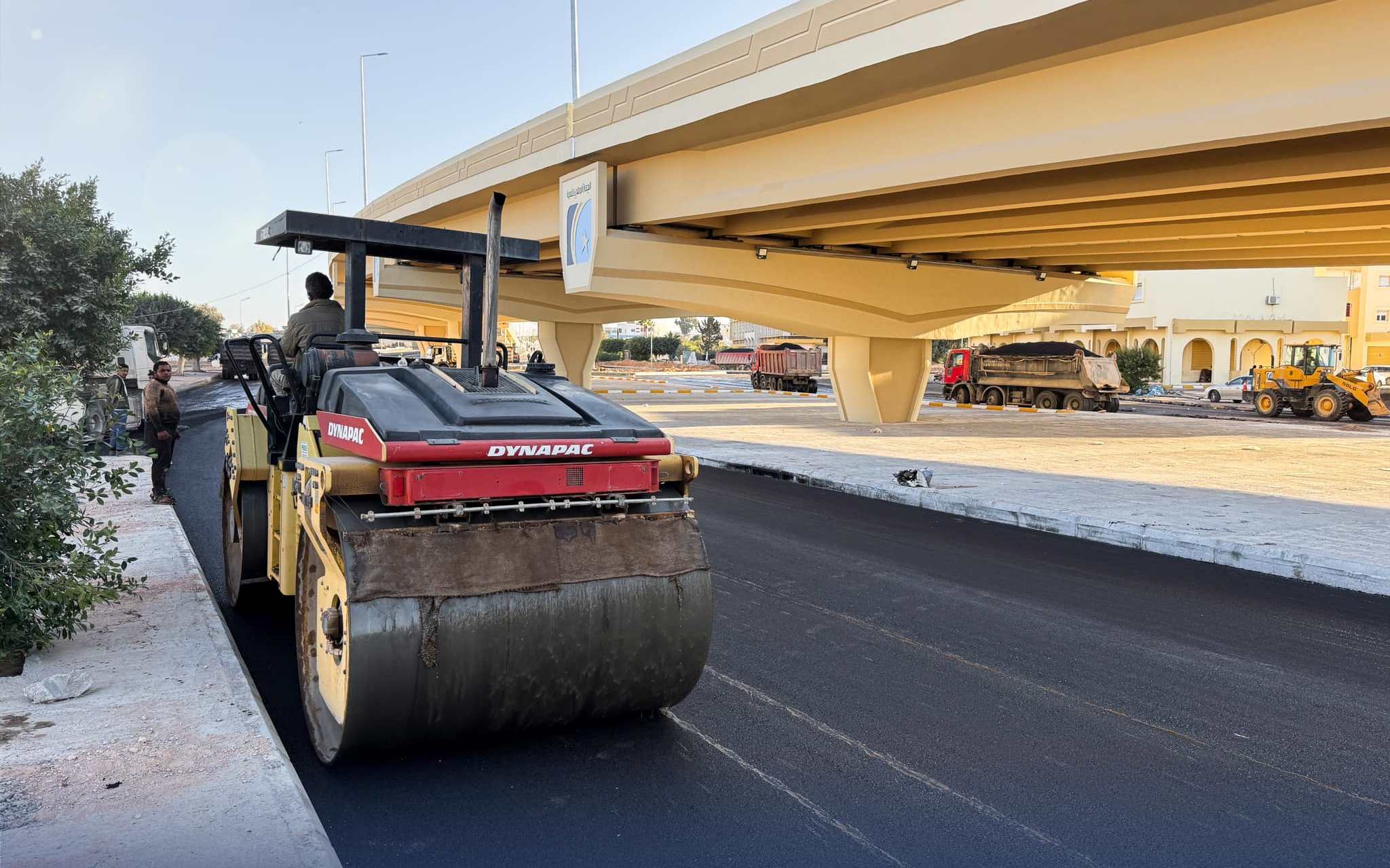
In its latest 2025 forecast, the International Monetary Fund (IMF) placed Libya at the forefront of global economic growth, with a projected rate exceeding 17.3%. This assessment was not only based on the recovery of the oil sector but also clearly indicated that spending on reconstruction is a primary driver of this transformation, prompting analysts and experts to place Libya today among the top five most promising reconstruction markets in the world.
This assessment is based on tangible indicators, most notably the House of Representatives’ approval of a 69 billion dinar (approximately $14 billion) budget for the Development and Reconstruction Fund of Libya. The fund is primarily tasked with rebuilding cities affected by floods and conflict, especially Derna and Benghazi, and upgrading their core infrastructure.
In parallel, the National Development Agency is spearheading a separate track of new strategic projects aimed at fostering long-term growth. The agency’s plans include major ventures such as the construction of a new Benghazi International Airport, the establishment of a free trade zone in Sirte, and the creation of the “SSS” International Road to connect the country’s north and south.
To move from planning to implementation on both tracks, contracts have already been signed with regional and international firms, confirming that the allocated capital is beginning to translate into real activity on the ground.
These developments come as Libya continues to face significant challenges related to institutional division. Observers stress that the long-term success of these projects hinges on sustained stability and the implementation of governance mechanisms to ensure transparency and coordination among the various active bodies.
Ultimately, the convergence of domestic funding capacity with the immense scale of need, coupled with the launch of major projects via different development bodies, places Libya’s construction sector squarely in the focus of international investors and contracting firms for the foreseeable future.