

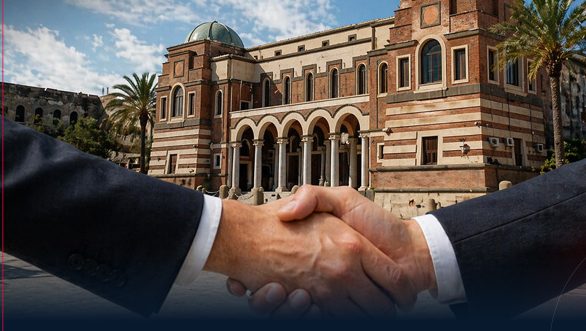
An international report published by the global “Travel and Tour World” website highlighted the benefits for countries welcoming Libya’s unified budget. The report considers that this step reflects more than just internal Libyan affairs. Its effects extend to the travel, tourism, and energy sectors in several countries.
The report discussed potential gains for ten countries welcoming the unified budget. These include France, Britain, the United States, Qatar, Egypt, Germany, the United Arab Emirates, Italy, Saudi Arabia, and Turkey. Benefits are expected specifically in reviving the travel sector, enhancing tourism, and supporting energy growth.
The report explained that the importance of the unified budget lies in its ability to support regional stability. It could increase oil production and restore investor confidence. Improving economic coordination in Libya may allow for smoother air connectivity. It could also lead to an increase in maritime cruise traffic and stronger tourism flows across the Mediterranean and the Middle East.
Airlines and tour operators will benefit from receding geopolitical risks and higher energy production. This provides operational stability that encourages increased bookings and reduces disruptions. The unified budget may accelerate tourism recovery. It could also enhance global traveler confidence and support long-term growth in interconnected travel and energy markets.
Coordinated international support reflects a shared interest in Libya’s stability. It aims to enhance connectivity and ensure resilient progress for the travel, tourism, and energy sectors. Travel movement will benefit directly from improved regional stability, especially in the world’s busiest transport hubs.
Receding geopolitical risks enable airlines to maintain flight schedules with fewer disruptions. This contributes to lower flight insurance costs. It leads to more reliable connecting flights, fewer delays, and enhanced traveler confidence between Europe, Asia, and Africa.
The immediate impact on travel includes smoother transit experiences and greater seat availability. It also offers more predictable pricing on long-haul flights. The unified budget may contribute to reconnecting air routes. It could accelerate tourism recovery in North Africa and the Mediterranean region.
Improving coordination between institutions in the East and West will enhance airport operations. It will also improve aviation safety oversight and infrastructure investment. These are essential elements for rebuilding international networks. As stability improves, the likelihood increases that companies will resume flights for tourism, travel, and religious pilgrimages.
The unified budget might prompt cruise companies to reconsider Libyan ports. This gives tour operators greater confidence to include Libya in regional programs. The budget’s focus on energy growth may also contribute to the stability of fuel supplies and prices.
This stability could indirectly support aviation sector efficiency and provide more affordable travel. For travelers, this means reduced disruptions and improved air connectivity. It signals a gradual return of Libya as an emerging tourist destination. This contributes to broader regional tourism growth.