

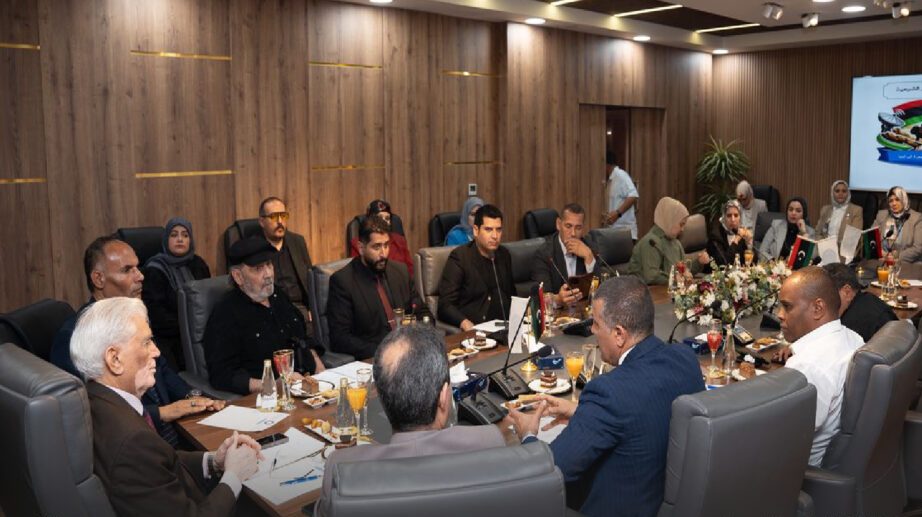
Benghazi – The Ministry of State for Illegal Immigration concluded a specialized dialogue session today, Thursday. The session focused on the media’s role in supporting the governance of illegal immigration in Libya. Academics, journalists, and media professionals participated in the event. Members of the House of Representatives and representatives from national institutions also attended.
The Ministry organized this session to promote a comprehensive approach to immigration. It aims to involve all relevant parties in discussions and solutions. This strategy ensures a more efficient national response to complex immigration challenges.
Participants addressed several key topics during the session. They highlighted the media’s role in immigration governance. They also discussed professional challenges facing media coverage. These include limited access to accurate information and the spread of misinformation. Such issues create a need for more precise and effective professional tools.
Attendees discussed the importance of developing a balanced media discourse. This discourse should reflect the reality of immigration objectively. It must align with national policies to improve public awareness and debate.
The session also focused on vulnerable groups, especially women and children. Participants emphasized the need for media coverage that respects human dignity. Coverage should reduce social stigma and discrimination. It should also highlight the needs of these groups within protection programs.
Discussions also covered the link between immigration and the informal labor market. Participants stressed the importance of explaining this relationship to the public. This helps in understanding the impact of immigration on the national economy. It also supports the adoption of more effective policies.
The session affirmed the importance of supporting women’s empowerment offices in government institutions. It highlighted national initiatives to protect women and children during migration. These efforts are essential for a comprehensive management approach.
At the end of the session, participants agreed to form a small committee and an operations room. This group will draft final recommendations for the Minister of State for Illegal Immigration. These outputs will be converted into practical policies and procedures. This will enhance immigration management as Libya continues to face challenges as a major transit country.