

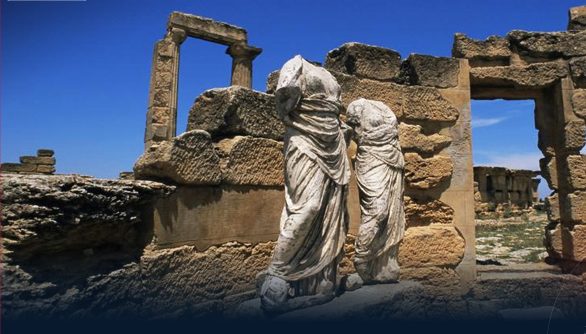
Ahmed Al-Hassi is an academic and heritage management expert at Omar Al-Mukhtar University. He also serves as a board member of the Libyan Antiquities Service. Al-Hassi stated that the city of Cyrene is one of the most prominent archaeological sites in the world. Its ancient history and cultural diversity make it a unique model in the Libyan and international archaeological landscape.
A Multi-Layered Cultural Site
Al-Hassi explained that Cyrene was founded during the Greek era. However, it is not classified as a purely Greek site. It represents a mixed cultural model combining Greek and Roman styles. It also includes landmarks dating back to the Ottoman and Italian periods. The site possesses exceptional value. It has been a registered UNESCO World Heritage site since 1982. It is the only site in the Cyrenaica region included on this list.
Unique Landmarks and Historical Status
Al-Hassi added that Cyrene houses unique landmarks. These include the remains of the famous silphium plant factory. The Temple of Zeus is another key site with exceptional architectural features. Massive tombs also surround the city. These elements make Cyrene a unique site for architecture and sculpture. It reflects significant human heritage value.
The city was the first urban settlement in the Cyrenaica region. It led the Greek civilization in Libya. The city witnessed important historical transitions. Power shifted from the Greeks to the Romans. However, the city maintained its Greek cultural character. Archaeological evidence confirms this continuity.
Weak Tourism Promotion and Infrastructure
The site has not received sufficient attention regarding infrastructure or marketing. This lack of promotion persists despite its global importance. Al-Hassi noted the weak international promotion of Libyan archaeological heritage. Many countries remain unaware of Libya’s tourism potential. The tourism sector has not experienced real growth periods. Its performance does not match the value of these sites compared to other countries. Tourism’s contribution to the national product remains very limited.
Limited Security Improvement and Visits
The security situation in Cyrenaica has improved. This has allowed for limited visits by some tourist groups. However, these visits remain below the desired level. Al-Hassi stressed the need for a comprehensive national plan. This plan should develop the tourism sector. It should transform it into an important economic resource.
Chronic Neglect and Increasing Violations
The archaeological heritage sector suffered from neglect even before 2011. This neglect continued throughout various political stages. It has negatively impacted the condition of archaeological sites. Weak support for relevant institutions has worsened violations. These violations include bulldozing and vandalism. Random excavation and the theft of artifacts also occur. This happens even within protected sites.
Deteriorating Museums and Staff Shortages
Museums suffer from deteriorating conditions. They lack the necessary capabilities for preservation and maintenance. This persists despite efforts to document artifacts. The security and political conditions in the country contributed to this decline. These factors make archaeological sites vulnerable to increasing risks.
There is a severe shortage of financial support and human resources. Laws exist to regulate the work. However, no modern storage facilities have been built. Administrative buildings have not been maintained. No new appointments have been made for over 15 years. This has created a large gap in staff. The shortage affects everyone from guards to restorers.
Absence of Strategic Vision
Logistical capabilities are weak. Employees must use their private means for transportation. The infrastructure is dilapidated. Work offices are not properly equipped. There is an absence of a clear vision or strategic plans. This affects both the tourism and antiquities sectors. Current work is limited to documentation and administration. No real development projects have been launched. This has led to the loss of several archaeological sites. Challenges facing the sector continue to worsen.