

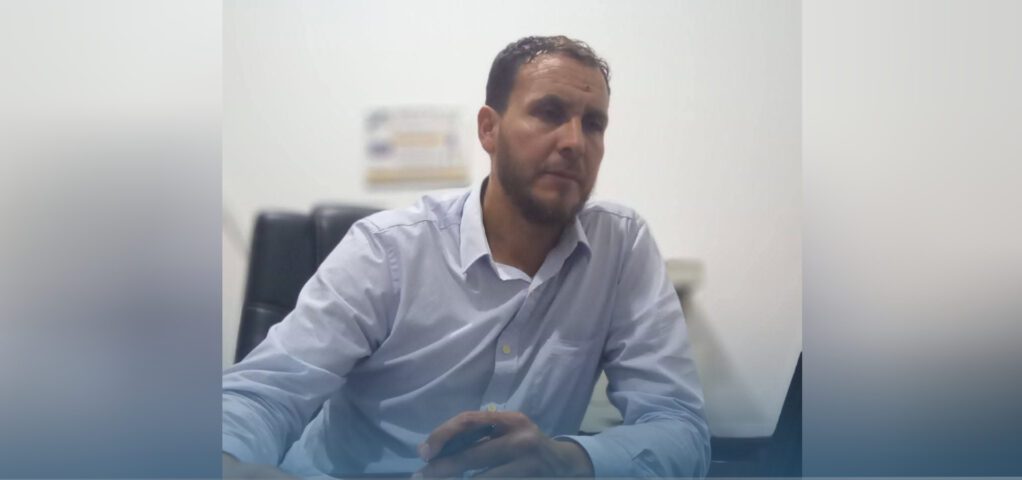
Benghazi – Saleh Boumbarka is the Director of Livestock Management in Al-Jabal al-Akhdar. He appealed to relevant government bodies. He urged them to address the suffering of livestock breeders. This plea follows the loss of hundreds of sheep. The loss occurred due to a storm yesterday. The storm affected areas of Al-Jabal al-Akhdar.
Boumbarka explained to Al-Anbaa Al-Libiya newspaper that breeders work in remote and rugged locations. They lack direct field follow-up or support. He noted that the absence of resources transforms the department’s role. It now only receives complaints. It cannot be present in pastures to monitor the situation closely.
He added that the municipality’s scope is vast. Its terrain is rugged. Providing service vehicles is essential for moving between pastures. This is a professional and humanitarian necessity. It helps preserve livestock. It also protects the livelihoods of citizens.
Boumbarka affirmed that the department’s teams do their utmost. They record damages. They monitor the breeders’ conditions despite limited resources. He emphasized that this work is a humanitarian duty. It comes before it is a job. He called for support for field work. This support would compensate for losses. It would protect livestock. This is a national responsibility.
He indicated that one shepherd lost hundreds of sheep. He confirmed that such losses represent real suffering. This is for breeders who depend on livestock as their primary source of livelihood.
Boumbarka urged anyone who finds any lost sheep. They should contact the Livestock Management Department in Al-Jabal al-Akhdar immediately. He confirmed this appeal is not just to help the affected. It is also a humanitarian duty. It aims to protect the livelihoods of all breeders.
Boumbarka concluded his remarks by affirming that protecting livestock is a national responsibility. It requires continuous field and logistical support. This is especially true during exceptional weather conditions. It ensures the preservation of animal resources. It also protects the livelihoods of citizens in mountainous and remote areas.