

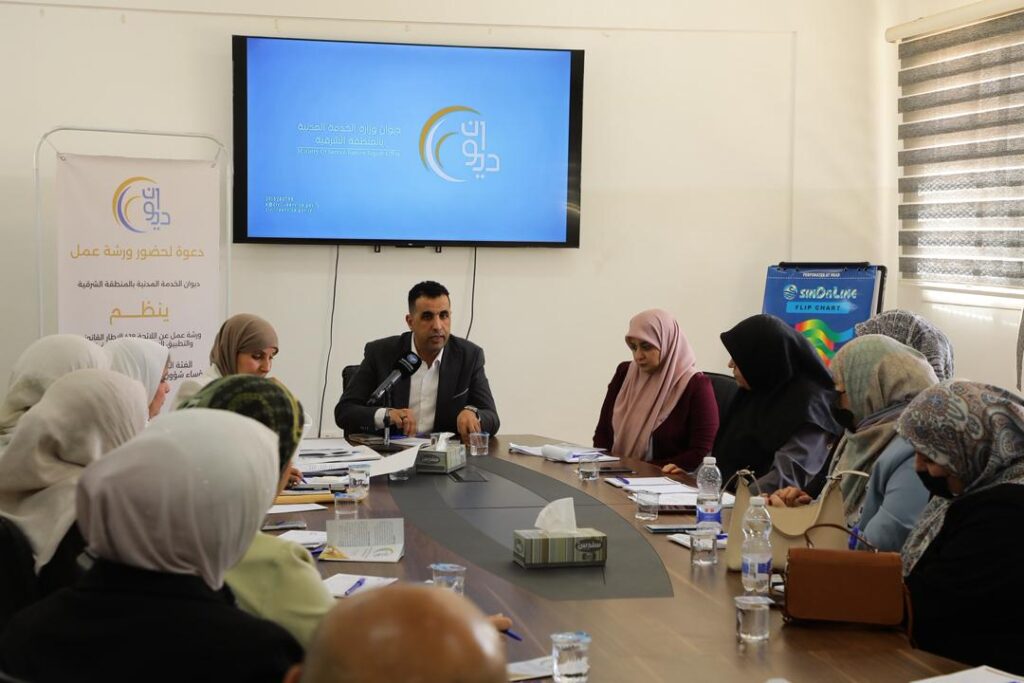
Benghazi – The Civil Service Bureau of the Eastern Region organized a specialized workshop. It focused on Regulation No. 418 for the health sector. The workshop took place at the General Center for Training and Education Development. Legal professionals and heads of human resources departments from health institutions attended.
The workshop discussed the legal framework. It also covered administrative application mechanisms for the regulation within hospitals. This is part of efforts to standardize work procedures. It aims to enhance administrative discipline in the health sector.
Saleh Ibrahim Karkara is the Head of the Civil Service Bureau for the Eastern Region. He told Al-Anbaa Al-Libya newspaper that the workshop aligns with the bureau’s plan. This plan seeks to enhance understanding and implementation of Regulation 418. He emphasized the importance of classifying it. Unifying its implementation mechanisms across health institutions is crucial. This ensures clear procedures and legal soundness.
He added that the workshop was a collaboration. It involved the Public Employment Affairs Department, Legal Affairs, and the Training Department of the bureau. Its goal was to clarify legal and regulatory aspects for specialists. This contributes to improving administrative performance within hospitals.
Aisha Al-Dulaimi is the Director of the Legal Office at the Chest Hospital. She is also a faculty member. She confirmed the workshop focused on legal and administrative aspects of implementing Regulation 418. Representatives from hospital legal departments and the Civil Service Bureau participated.
She noted that discussions covered the main obstacles facing implementation. They also reviewed conflicts between relevant laws and decisions. The aim was to produce practical recommendations. These recommendations will address existing issues. They will also strengthen the legal work environment within the health sector.
Regulation No. 418 of 2009 in Libya is a cornerstone. It regulates the employment of medical and paramedical professionals. It requires them to fully dedicate themselves to public health facilities. It also prohibits combining public service with private work. The regulation aimed to improve the quality of health services. It was later amended by decisions, such as No. 885 of 2019. These amendments increased salaries and organized classification.