

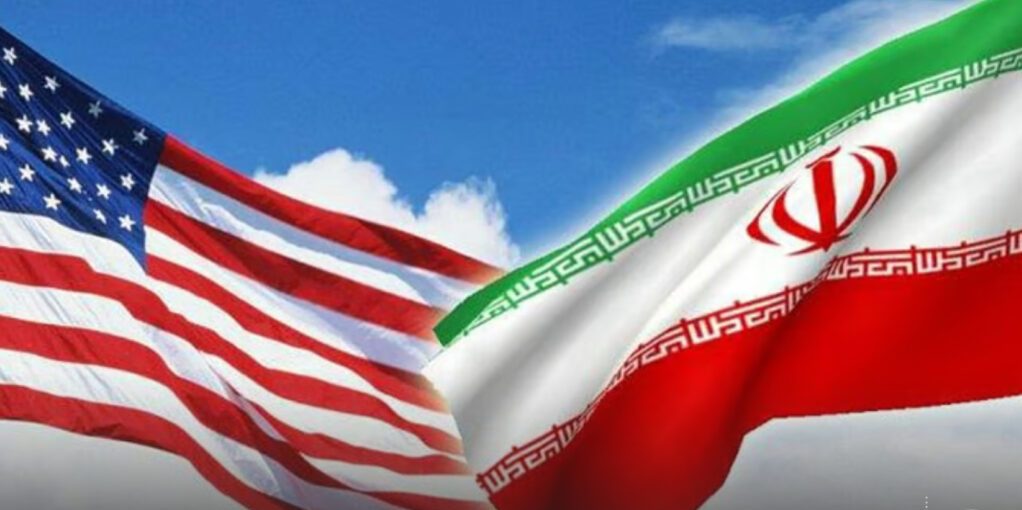
The international arena is witnessing rapid political and military shifts. This follows US President Donald Trump’s announcement of a temporary two-week ceasefire with Iran. The move strongly indicates a shift from military confrontation to negotiation. Wide anticipation surrounds the results of this pivotal phase.
Trump declared a two-week suspension of military operations against Iran. He believes this step opens the door for a long-term peace agreement. He noted Washington received a 10-point Iranian proposal. Trump described it as a “workable basis.” He affirmed his country achieved and exceeded its military objectives.
In response, Iranian Foreign Minister Abbas Araqchi confirmed Iran would cease defensive operations. This would occur immediately after attacks stop. He clarified navigation in the Strait of Hormuz would be possible during the calm. This requires coordination with Iranian forces. The Iranian Supreme National Security Council emphasized the proposal. It includes lifting sanctions and unfreezing assets. It also stipulates continued Iranian control over the Strait. This includes regulating transit traffic.
Despite the positive atmosphere, reports revealed discrepancies. These exist between the Persian and English versions of the proposal. They particularly concern uranium enrichment. This reflects ongoing sensitive points of contention. These could affect the negotiation process. Some clauses related to the withdrawal of US forces from the region remain under discussion. They have not been definitively resolved.
The ceasefire announcement received international welcome. It is considered a significant step towards de-escalation and containing tension. Several countries welcomed the decision. They stressed the need to leverage it for a serious diplomatic path. Pakistani Prime Minister Shehbaz Sharif urged both parties to complete negotiations in Islamabad. Islamabad is expected to host the first direct meeting since the war began.
The United Nations also welcomed the development. Secretary-General António Guterres called for full adherence to the ceasefire. He emphasized protecting civilians. He also stressed creating conditions for a successful political process. Countries like Egypt, Japan, Australia, and Iraq expressed support for diplomatic efforts. They affirmed the necessity of ensuring navigation security in the Strait of Hormuz. The Strait is a vital artery for global trade.
Conversely, concern emerged within the Zionist entity. Officials expressed fears about the agreement’s repercussions. This is despite Benjamin Netanyahu’s conditional support for the US move. Netanyahu affirmed continued coordination with Washington. This aims to ensure the agreement does not become a strategic gain for Iran. This particularly applies to its nuclear program and missile capabilities.
On the ground, the ceasefire announcement did not immediately impact the pace of operations. Sirens blared in several areas across the Gulf and the Zionist entity. Missile and drone launches were recorded. Gulf states announced the interception of aerial threats. Authorities in Abu Dhabi dealt with a fire incident at a gas facility. Qatar confirmed thwarting a missile attack.
In the occupied territories, reports indicated missile impacts in central areas. Emergency teams continued their work at multiple sites. This highlights the fragility of the field situation. It also shows the difficulty of immediate control. This is partly attributed to Iran’s “decentralized” military strategy. It allows field units a degree of autonomy. This could lead to delays in implementing ceasefire orders.
In the same context, US sources confirmed the truce’s entry into force. It is linked to the reopening of the Strait of Hormuz. This is a crucial condition for the agreement’s success. Islamabad is also expected to host direct negotiations. These could form a decisive turning point. This depends on both parties overcoming remaining differences. They must reach a final formula ensuring a permanent ceasefire. This would establish a new phase of calm and stability in the region.