

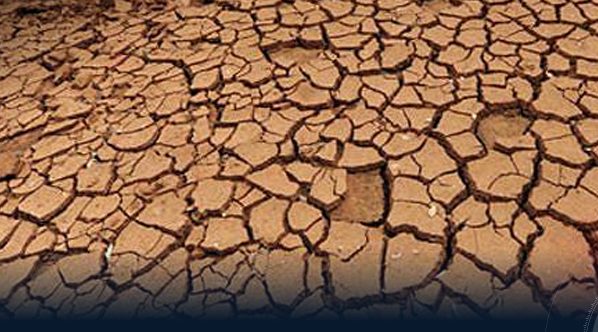
Bashir Nuweir, head of the National Water Security Strategy Team at the National Council for Economic and Social Development, has warned that the per capita share of renewable water in Libya is dangerously low. Official estimates put the share at just 120 cubic meters per year, far below the global water poverty threshold of 500 cubic meters.
Nuweir told Asharq Al-Awsat newspaper that most Libyans do not realize the seriousness of the crisis because more than 90 percent of the country’s water supply comes from groundwater. He warned that continued unregulated well drilling and overuse of scarce resources—combined with population growth and urban expansion—could intensify the water crisis in coming years. The situation is further aggravated by climate change, lower rainfall, increased evaporation, and prolonged drought.
Nuweir noted that the agricultural sector uses about 85 percent of Libya’s water resources. More than half of this is wasted due to deteriorating and inefficient irrigation networks. He added that over 30 percent of water is lost inside city distribution systems, and illegal connections and violations of the Great Man-Made River system continue to worsen the situation.