

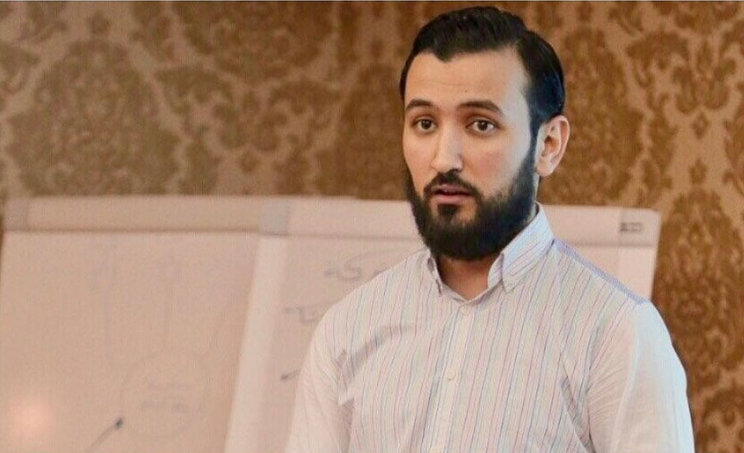
Political activist Mohamed Qashout criticized the continuation of Libya’s liquidity crisis since 2015, directing sharp criticism at the Central Bank of Libya for its recent decisions to withdraw currency from citizens without providing viable alternatives in the banks.
Qashout provided a hypothetical example of a citizen who deposited 100,000 dinars into his account on September 30, then later went to withdraw 10,000 dinars, only to be shocked—according to the example—by a withdrawal limit of just 3,000 dinars, distributed between checks and bank cards, with the added condition of having a regular salary deposited into the account to enable broader withdrawal options.
Qashout stated that this situation reflects the Central Bank’s failure to manage the crisis, warning that continued talks of printing 26 billion dinars in the upcoming period will only lead to further market turmoil and an increase in the price of the dollar and essential goods, thereby worsening the citizens’ suffering.
He also addressed a message to the bank’s governor, Naji Issa, urging him to move away from repeated promises and media posturing, and to maintain an equal distance from all parties if he is genuinely intent on reform.