

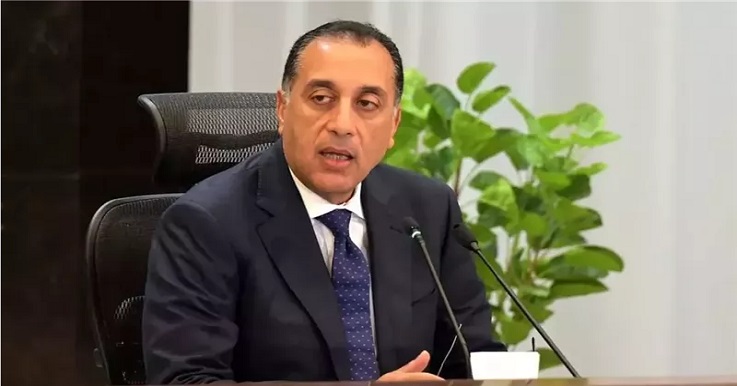
Cairo – Egyptian Prime Minister Mostafa Madbouly said the government has prepared the 2025-2026 budget based on an estimated oil price of $75 per barrel, even though prices at the start of the fiscal year were around $62. Speaking at a press conference Wednesday, Madbouly announced that the automatic fuel pricing committee will resume regular operations using established standards starting in the first quarter of the current fiscal year, from July to September.
He confirmed the government will reactivate the automatic fuel pricing mechanism. Madbouly stressed that the policy is not intended to pass more costs onto citizens. The aim is to apply the system based on average costs, not daily or weekly price changes.
The prime minister explained that fuel prices have not been reduced recently despite falling global oil prices because the Egyptian General Petroleum Corporation had previously absorbed significant additional costs due to earlier price hikes. He added the government could have raised fuel prices even more during the height of the global crisis but chose to bear much of the cost itself. Oil prices rose by about $32 per barrel after the last fuel price adjustment, and the dollar exchange rate reached 55 pounds, but prices were not increased accordingly.
Madbouly noted that fuel prices were raised earlier due to sharp increases during the war. The government did not announce new hikes when prices surged in April by more than 100% compared to pre-crisis levels.
He pointed out that summer sees the highest fuel consumption rates, requiring additional support for the General Petroleum Corporation to offset the burdens it has absorbed. He said fuel costs are calculated based on average time periods, not on a daily or weekly basis.
The government’s current priority is to get through the summer and secure the domestic market’s petroleum product needs. Regular adherence to the automatic pricing mechanism will resume afterward.
Regarding electricity prices, Madbouly explained that a 20% increase for the commercial sector, especially restaurants and cafes, applies only to consumption outside official working hours. This means citizens will not face additional direct costs. He said the decision was made in coordination with the chambers of commerce and other relevant bodies. Businesses that stay open late consume more electricity, and the state has the right to pass on those extra charges to commercial users.